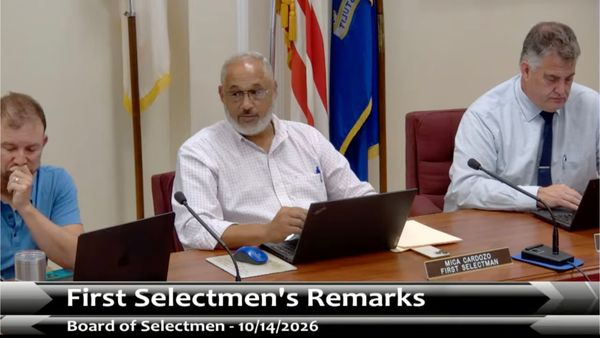
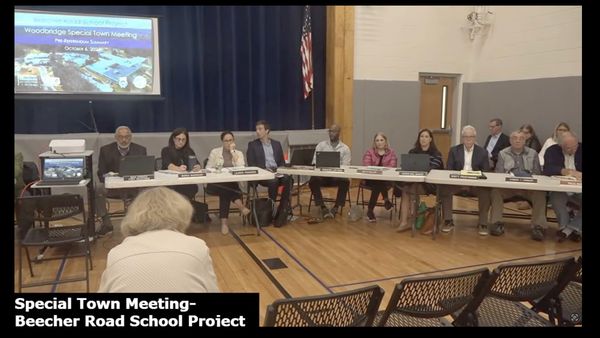
Voters rejects $118.5 million Beecher proposal by nearly 2-to-1 margin with 2,766 ballots cast
Turnout among the highest in decades; earlier referendums reveal a history of consequential votes on schools, spending, and town property

Woodbridge voters decisively rejected the proposed $118.5 million Beecher Road School and Central Office project on Tuesday, October 13, with 1,847 voting No and 919 voting Yes.
The proposal failed by a margin of 928 votes, with 66.8% opposed and 33.2% in favor — almost exactly two to one.
A total of 2,766 ballots were cast, making this one of Woodbridge’s highest-turnout referendums in recent decades. Just shy of 25 years ago, an even larger turnout of 3,112 was recorded in Woodbridge during the December 2001 Amity emergency funding referendum.
The Beecher referendum vote followed months of meetings and public debate over the proposed demolition and reconstruction of much of Beecher Road School, the project’s cost, anticipated state reimbursement, potential tax increases and alternatives to the proposed construction plan.
Results announced in the Center Gym shortly after polls closed
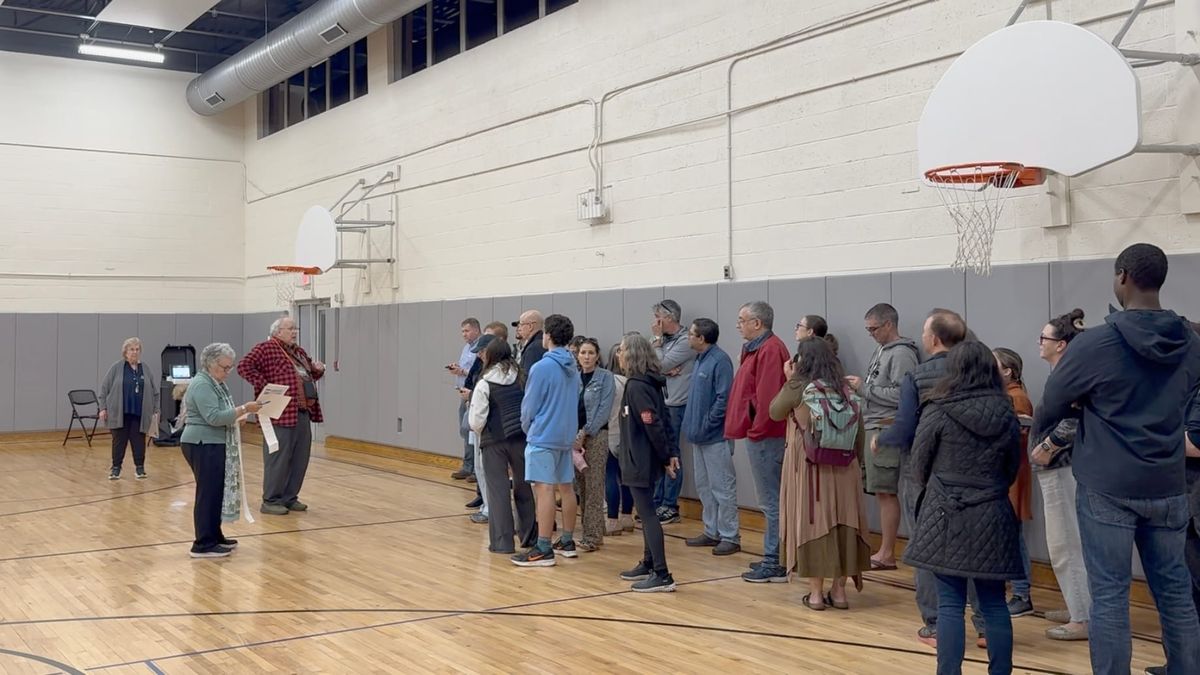
A hush fell over the gathering of about two dozen community members at the Center Gym as election officials prepared to announce the initial results shortly after polls closed.
Officials reported that 866 Yes votes and 1,752 No votes had been tallied. They explained that additional ballots remained to be counted, but the margin was large enough that those votes could not change the outcome.
Watch the Chronicle’s video of the results announcement:
The remaining 148 ballots that were counted later that evening followed much the same pattern as the initial count: 95 No and 53 Yes, or 64.2% opposed. The final tally was 1,847 No and 919 Yes.
Turnout reached 43% of registered voters
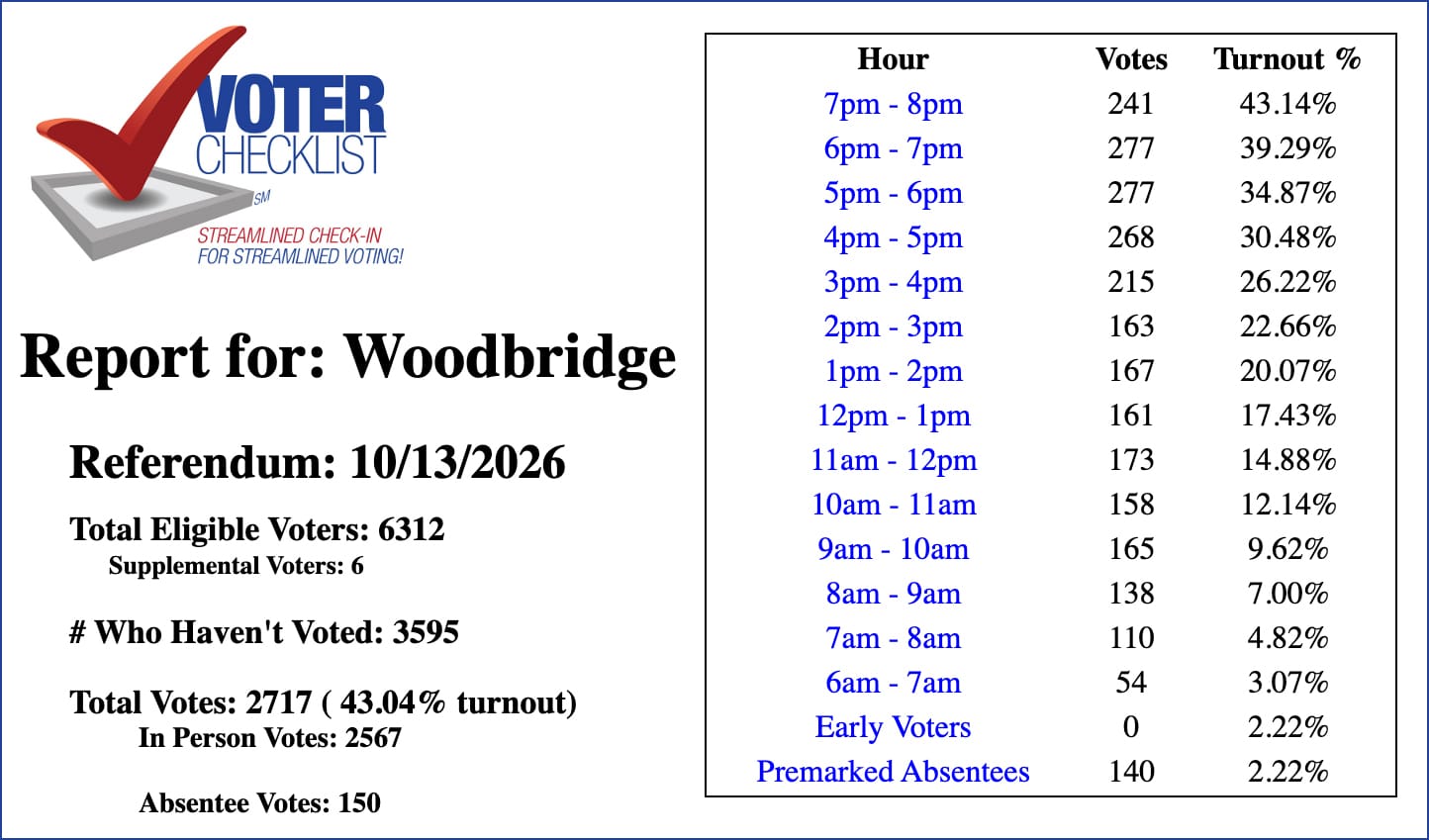
The town’s electronic voter checklist recorded 2,717 participating registered voters out of 6,312 eligible, for turnout of 43.04%. Of those, 2,567 voted in person and 150 were recorded as absentee voters.
Turnout was remarkably similar among registered Democrats and Republicans, while unaffiliated voters participated at a lower rate.
Voter affiliation | Eligible | Voted | Turnout |
Democrats | 2,471 | 1,170 | 47.35% |
Republicans | 1,079 | 510 | 47.27% |
Unaffiliated | 2,681 | 1,002 | 37.37% |
Other affiliations | 81 | 35 | 43.21% |
Total | 6,312 | 2,717 | 43.04% |
Note: These figures describe participation by voter affiliation, not how members of any affiliation voted, as the tabulated results do not provide a breakdown of Yes and No votes by party registration.
An analysis of voter participation data shows that turnout increased substantially during the afternoon. The busiest hours were between 4 and 6 p.m., when 277 voters checked in during each hour. Another 241 checked in between 7 and 8 p.m., the final hour of voting.
Reconciling the ballot totals
The 2,766 ballots counted by the tabulators exceeded the electronic voter checklist total of 2,717 by 49 votes. This may be due to participation by eligible property owners voting from the town’s Grand List rather than the registered-voter checklist.
Before the referendum, the Town Clerk and Town Attorney had confirmed that qualifying property owners who were not registered Woodbridge voters could participate in this referendum (see WTC article 9/28/2026).
How does turnout compare with earlier referendums?
Three earlier Woodbridge referendums provide useful comparisons with the October 2026 vote: a 2011 proposal to sell a portion of the former Country Club of Woodbridge property for residential development, a September 2002 Amity budget referendum, and a December 2001 emergency funding referendum for the Amity Regional School District.
Each drew substantial participation, but the circumstances and outcomes differed.
Referendum | Yes | No | Total votes | Outcome |
Dec. 11, 2001 — Amity emergency funding | 2,027 | 1,085 | 3,112 | Approved |
Sept. 10, 2002 — Amity budget | 605 | 1,110 | 1,715 | Rejected |
Dec. 13, 2011 — Country Club land sale | 588 | 1,190 | 1,778 | Rejected |
Oct. 13, 2026 — Beecher project | 919 | 1,847 | 2,766 | Rejected |
This year’s Beecher vote attracted 988 more voters than the December 2011 land-sale referendum and 1,051 more than the September 2002 Amity budget vote.
However, the December 2001 Amity emergency funding referendum drew 3,112 Woodbridge voters — 346 more than participated in October 2026.
December 2011: Voters reject sale of Country Club land
On December 13, 2011, Woodbridge voters rejected a proposal to sell a portion of the former Country Club of Woodbridge property to Toll Brothers for an age-restricted residential development.
The proposal received 588 Yes votes and 1,190 No votes, failing by a 67% to 33% margin.
The turnout of 1,778 was substantial for a referendum on a land-use decision, and the result was strikingly similar to the October 2026 Beecher vote: both proposals were rejected by approximately two to one.
The Chronicle's sister publication, TownHistory.org, has revisited the history of the Country Club property and the 2011 referendum, including the public meetings and decisions leading up to the vote. Read the essay, “Woodbridge at a turning point (2009–2011): Revisiting the early days of Town ownership of the Country Club property,” at TownHistory.org for details.
September 2002: Amity’s record-setting referendum crisis
The September 10, 2002, Amity Regional School District budget referendum attracted 1,715 Woodbridge voters, who rejected the proposed budget by 1,110 to 605 — nearly two to one.
The vote was part of an extraordinary series of 17 failed Amity budget referendums during the 2002–03 fiscal year, reported at the time as a Connecticut state record. The prolonged dispute followed a financial-management crisis at the regional school district, which serves Woodbridge, Bethany and Orange. A tri-town investigation had recommended the resignations of nine Amity Board of Education members.
Contemporaneous reporting at the time documented the controversy, including concerns about the board’s financial oversight and the refusal of all three towns’ first selectmen to endorse the proposed budget. Read reporting published in the May 9, 2001 Bulletin article “Voters Say No To Amity” at TownHistory.org for full details.
The impasse continued beyond the end of the fiscal year until, in July 2003, Connecticut Attorney General Richard Blumenthal (now one of CT’s U.S. senators), and Education Commissioner Theodore Sergi determined that the district did not have to continue holding referendums on the previous year’s budget. The New Haven Register reported on this decision, describing the 17 defeats as a state record.
December 2001: Voters approve emergency funding while demanding accountability
An earlier Amity referendum demonstrates that high turnout did not always translate into rejection. On December 11, 2001, Woodbridge voters approved $2.2 million in additional funding for the Amity Regional School District by 2,027 votes to 1,085. The 3,112 ballots cast in Woodbridge exceeded the October 2026 Beecher turnout by 346 votes. Read the December 13, 2001 Bulletin article, “The Ayes have it!” at TownHistory.org for full details.
Districtwide, 9,408 voters participated — a record at the time — approving the funding by 5,972 to 3,436. The previous districtwide turnout record had been 6,119 in June 1989, when voters approved bonding for reconstruction at Amity Senior High School.
The funding was intended to address a budget deficit that had placed the school district under severe financial pressure. But the vote came amid widespread dissatisfaction with the Amity Board of Education’s handling of the crisis.
The Amity Community for Education Political Action Committee (ACEPAC) advocated passage of the emergency funding request while simultaneously organizing a petition expressing no confidence in the board’s financial oversight. In a commentary published before the referendum, titled “Send two messages to the ABOE,” ACEPAC urged voters to approve the additional funding to protect the schools from potentially severe cuts while signing a separate petition to demand accountability from board members. The committee described the petition as a “steam valve,” giving residents an opportunity to express their frustration without voting against funding for the schools.
According to a report in the CT Post shortly after that vote, the organization collected 2,837 petition signatures, including 1,310 from Woodbridge. The dual approach may help explain why the emergency funding passed despite substantial dissatisfaction with school district leadership. The vote illustrates how referendum results can reflect not only voters’ views of a particular financial proposal but also the broader circumstances surrounding it.
The December 2001 referendum also produced unusually high absentee participation. Woodbridge received 87 absentee ballots, compared with approximately 10 typically received at the time. Many came from college students and recent Amity graduates. Of those ballots, 54 supported the funding and 33 opposed it.
The referendum electorate also included qualifying property owners who were not registered voters, a feature that remains relevant to understanding participation in Woodbridge referendums today.
What comes next for Beecher?
The October 13 vote rejected the proposed $118.5 million appropriation and bond authorization. It did not settle the longer-term question of how Woodbridge will address Beecher Road School’s building needs.
Town officials and school leaders now face decisions about whether to revise the defeated proposal, examine alternatives or develop a different approach to the school’s capital needs.
The referendum established one clear result: more than two-thirds of the 2,766 ballots cast opposed the proposal presented to voters. Determining what combination of cost, project scope, financial risk and other considerations drove that outcome will require further discussion and examination of the alternatives — see companion WTC article for details of recent meetings where officials discussed the referendum results.
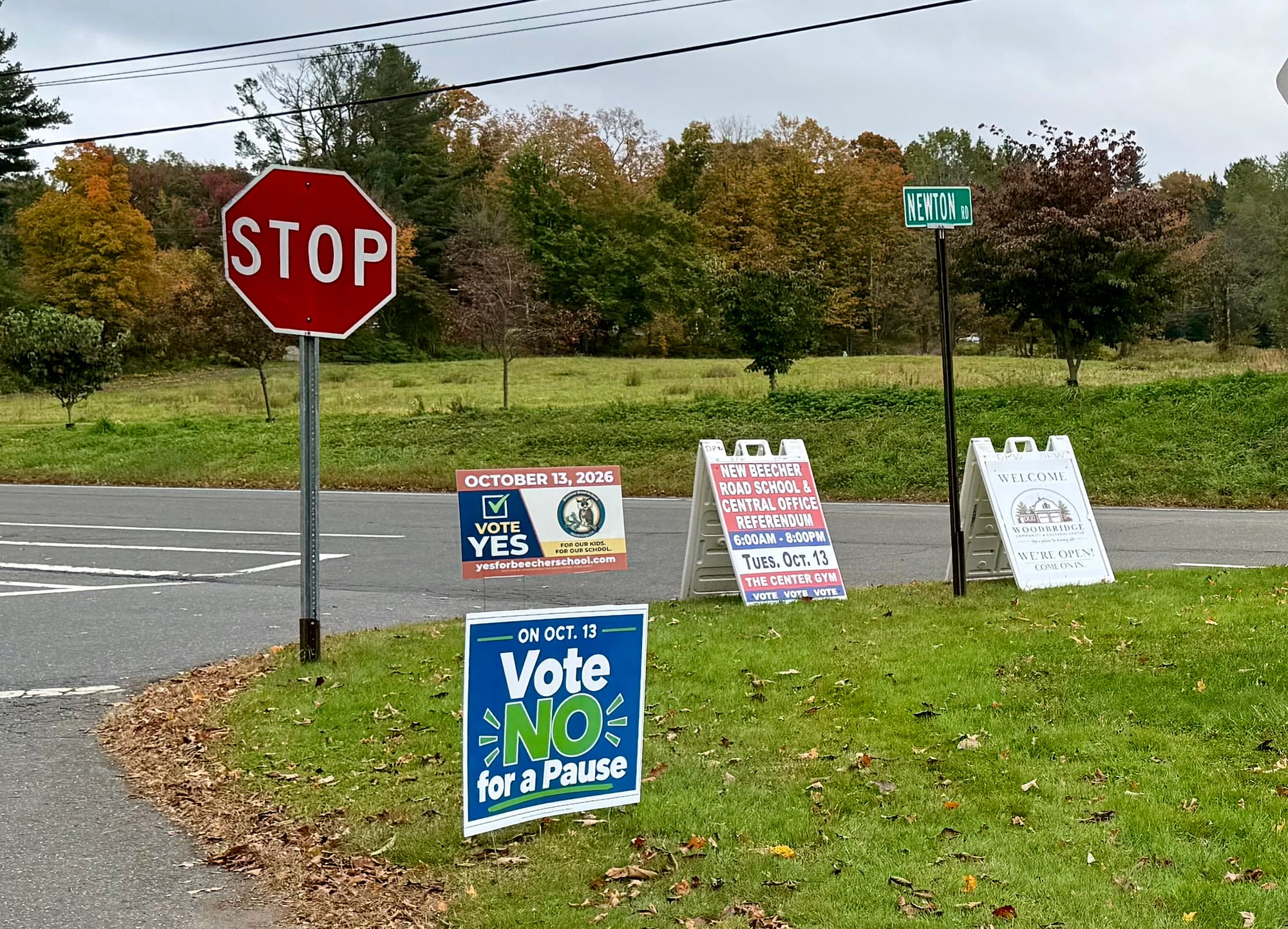

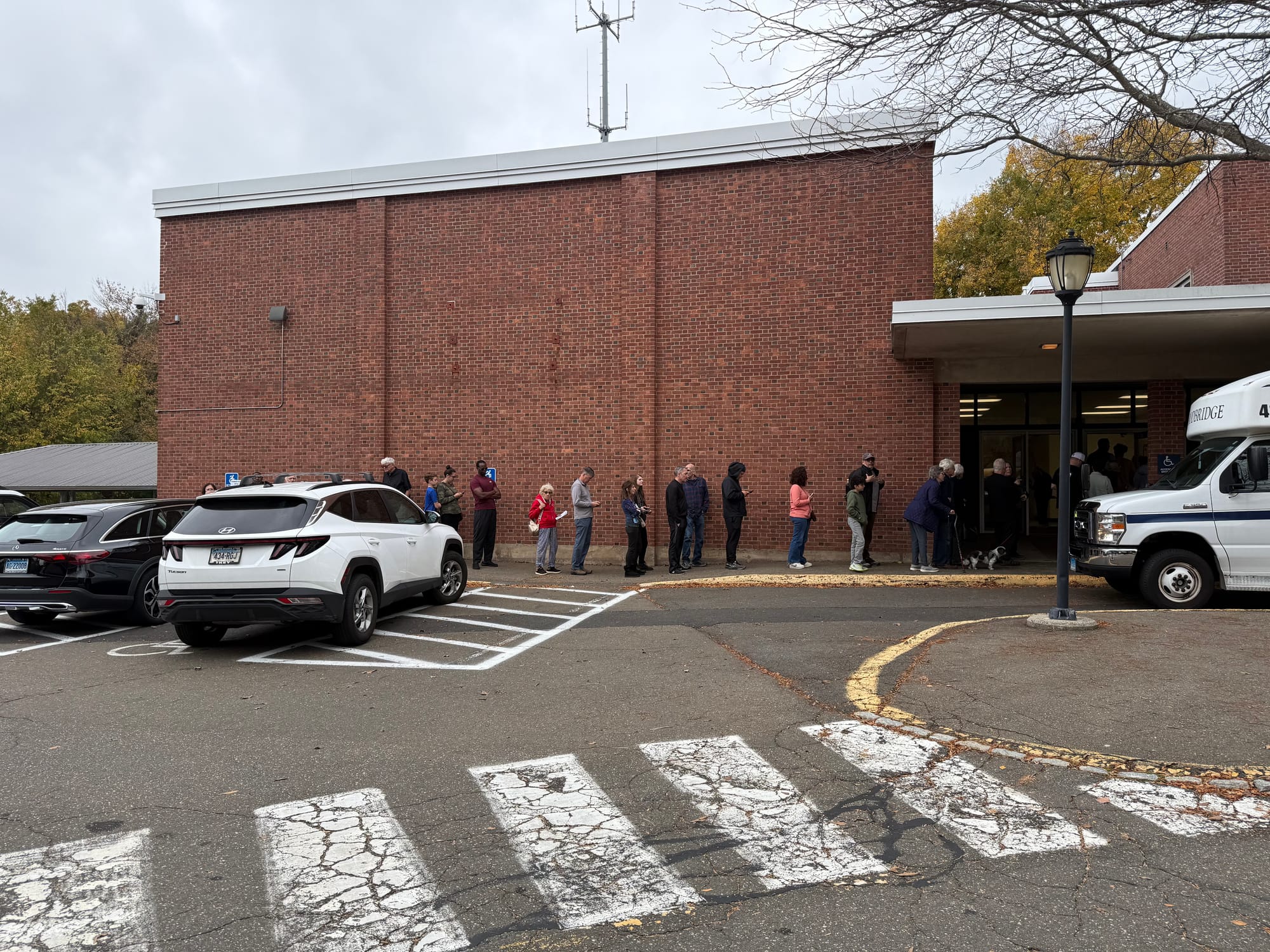
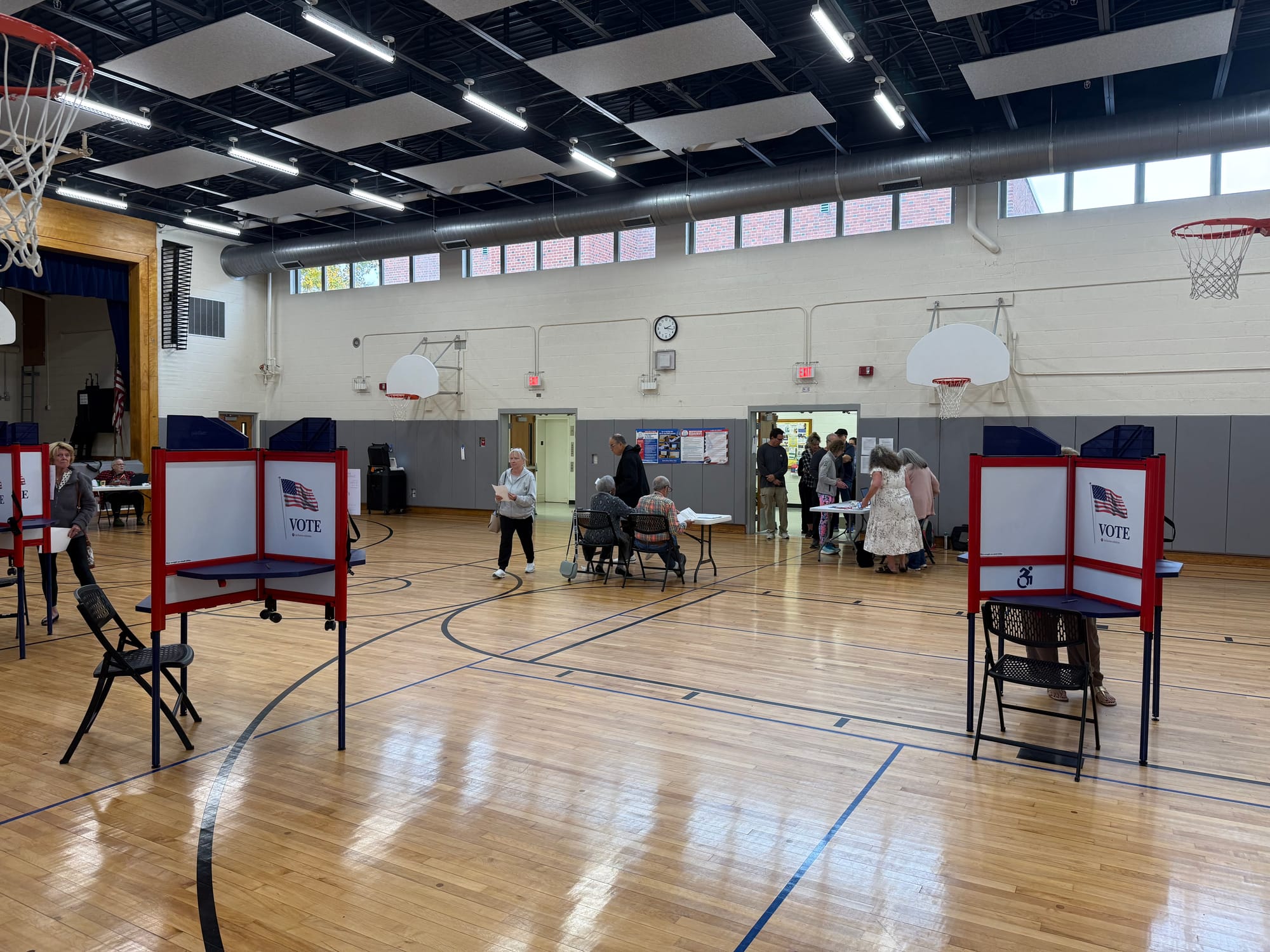

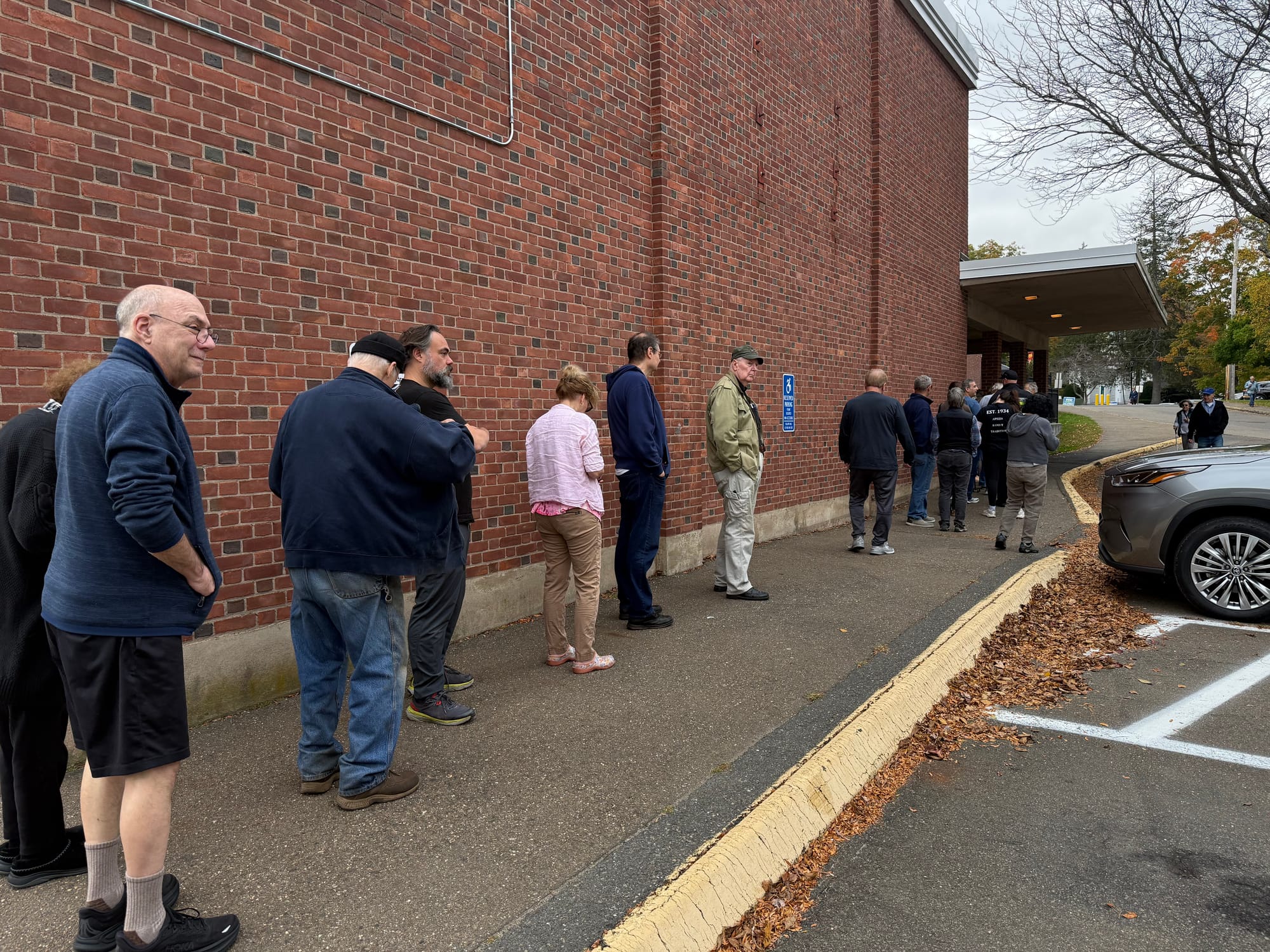
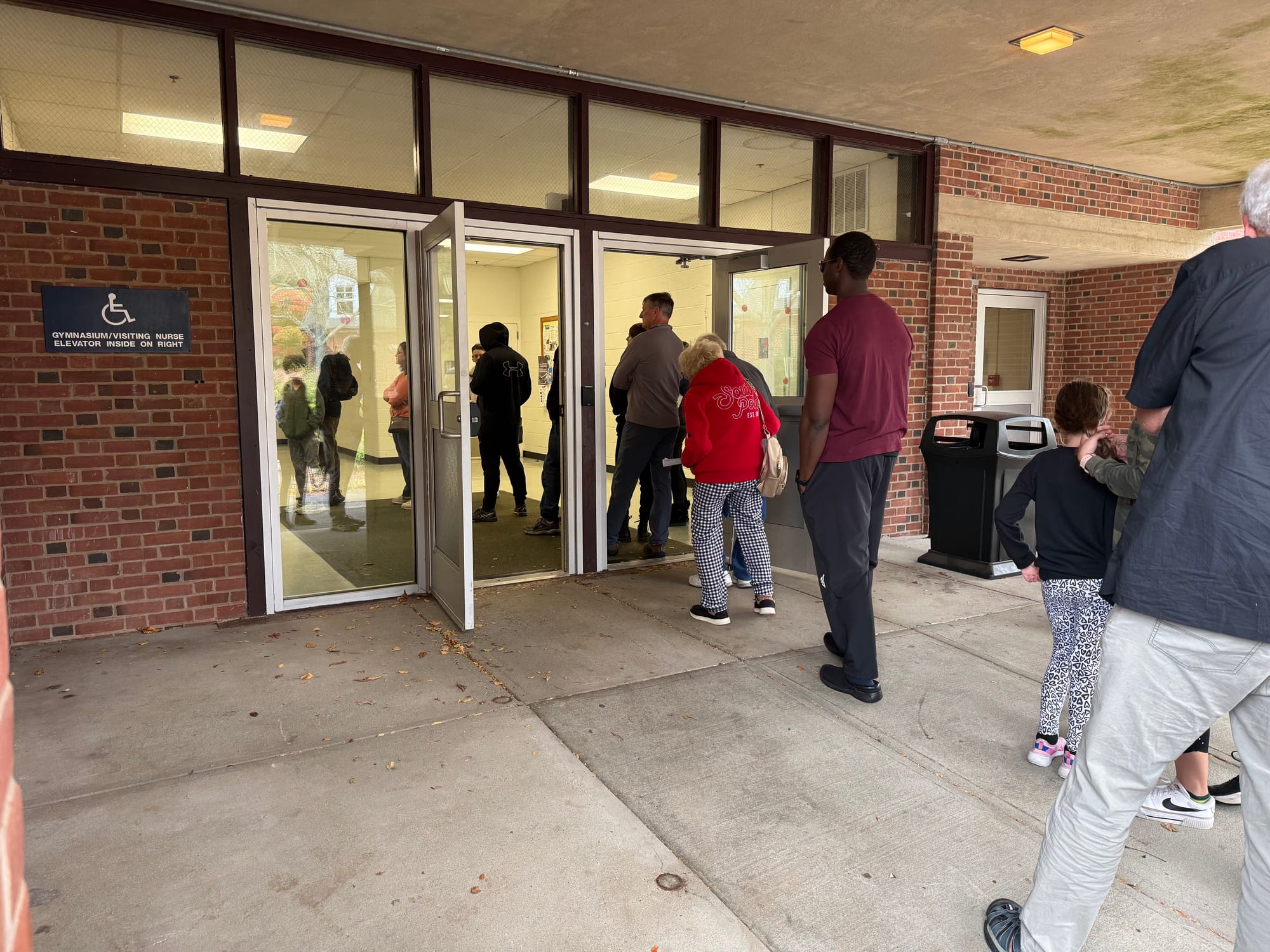
Scenes from the October 13 referendum vote in and around the Center Gym in Woodbridge, CT (photos by Sheila McCreven).