Woodbridge seeks developers for former country club property as master plan’s first year ends
Town advances development solicitation while environmental work, conservation measures and infrastructure financing remain unresolved

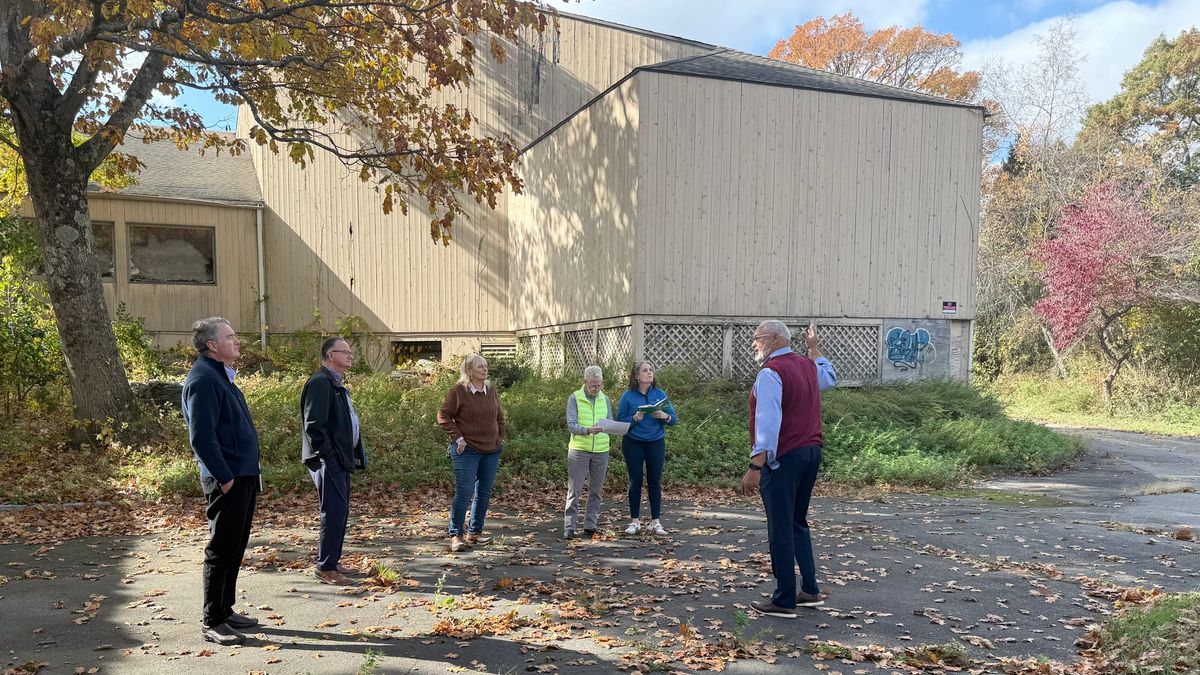
Woodbridge is seeking proposals for developing portions of the former Country Club of Woodbridge, taking a significant step toward private development of the 155-acre town-owned property. But one year after officials began discussing implementation of a 2025 master plan for the property, much of the preliminary work envisioned by that plan remains unfinished or unverified.
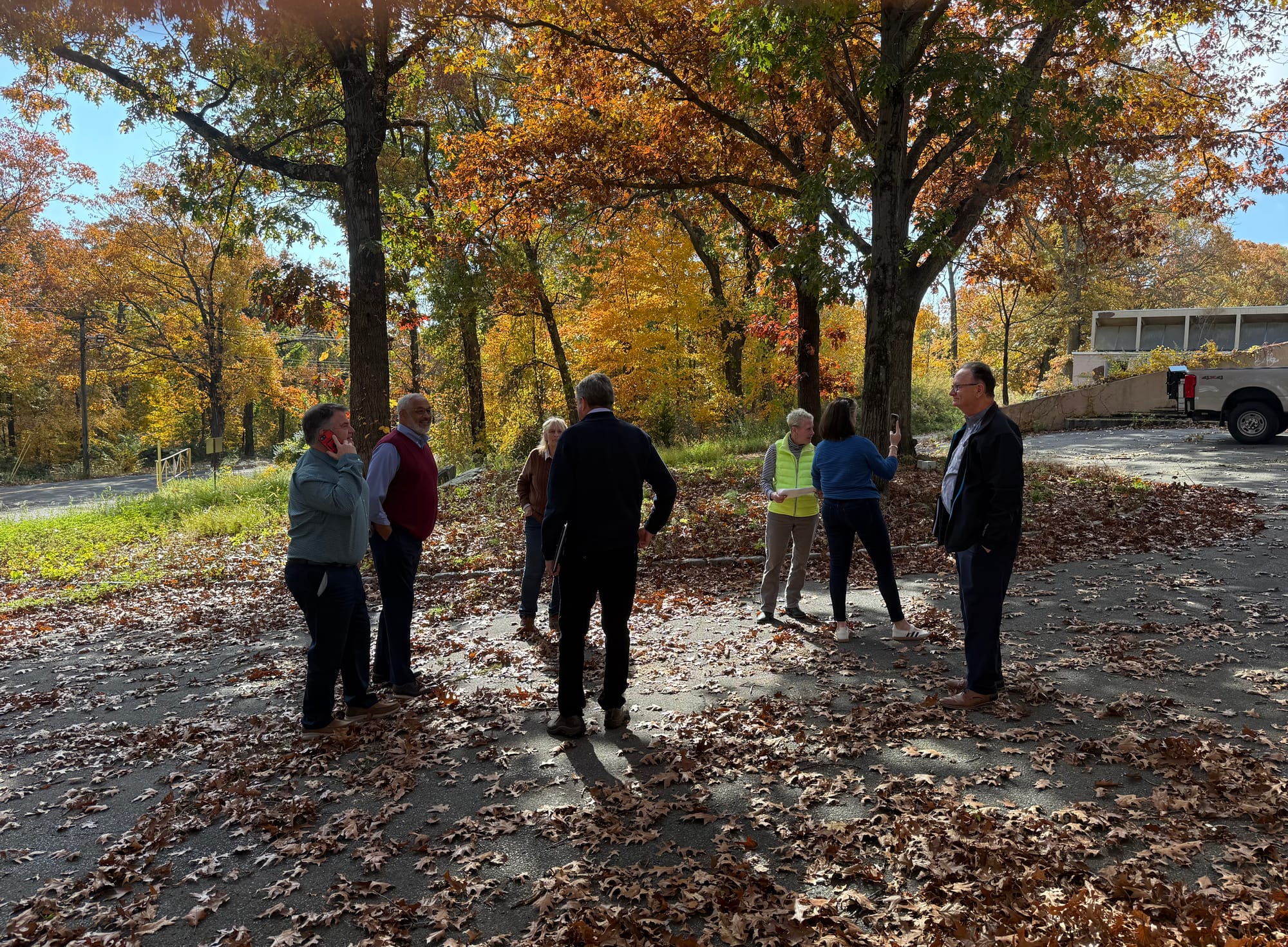
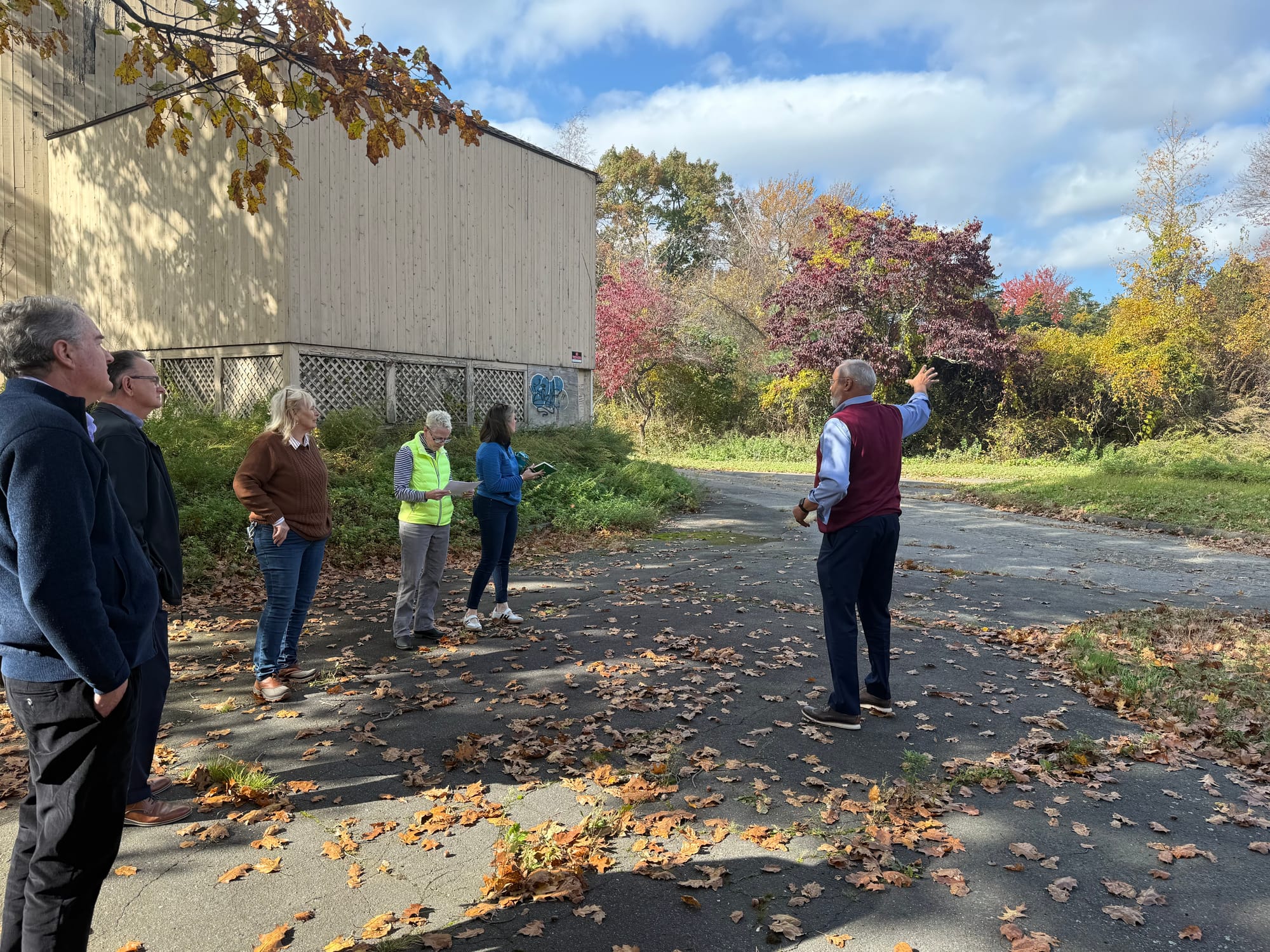
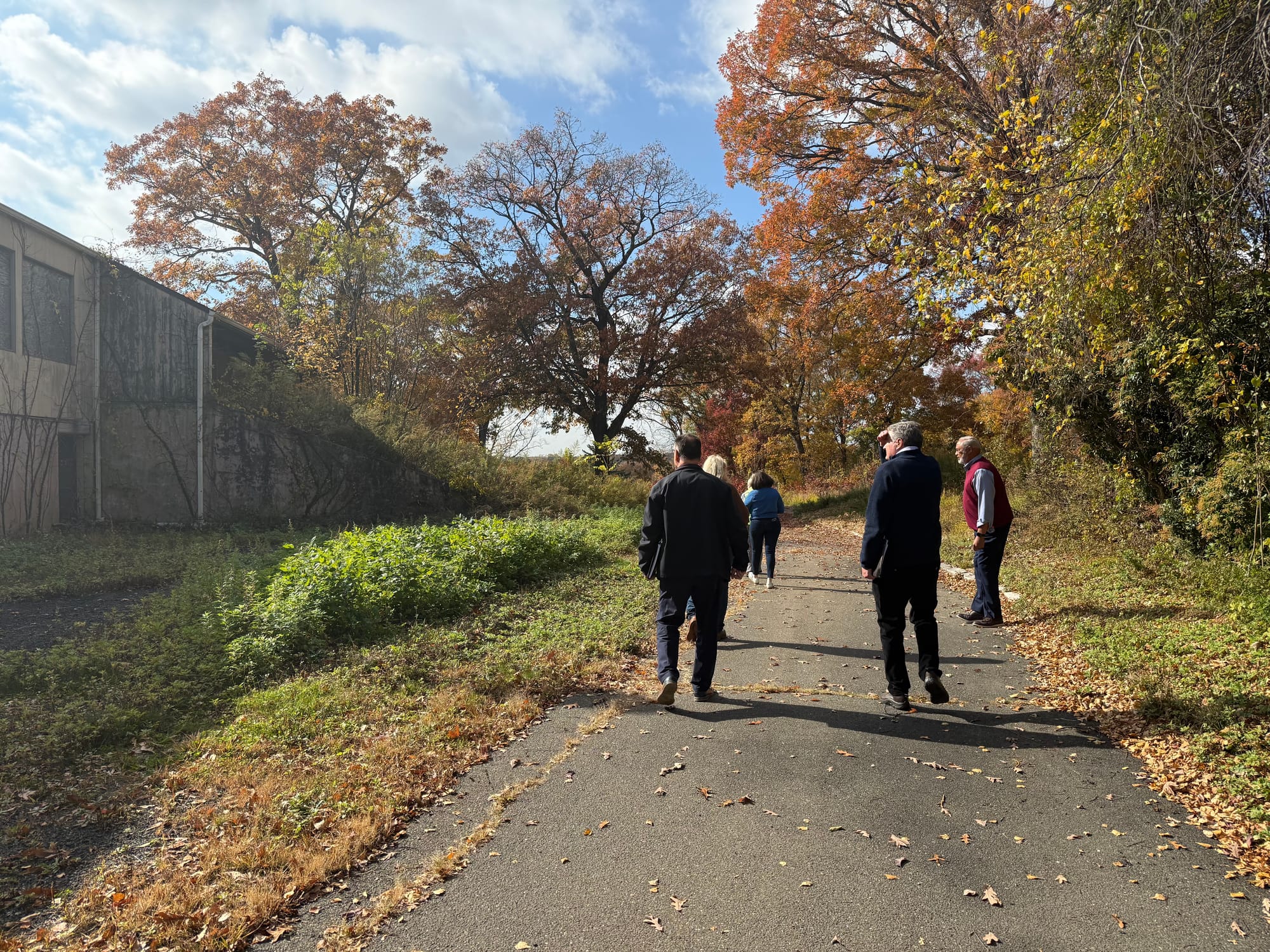
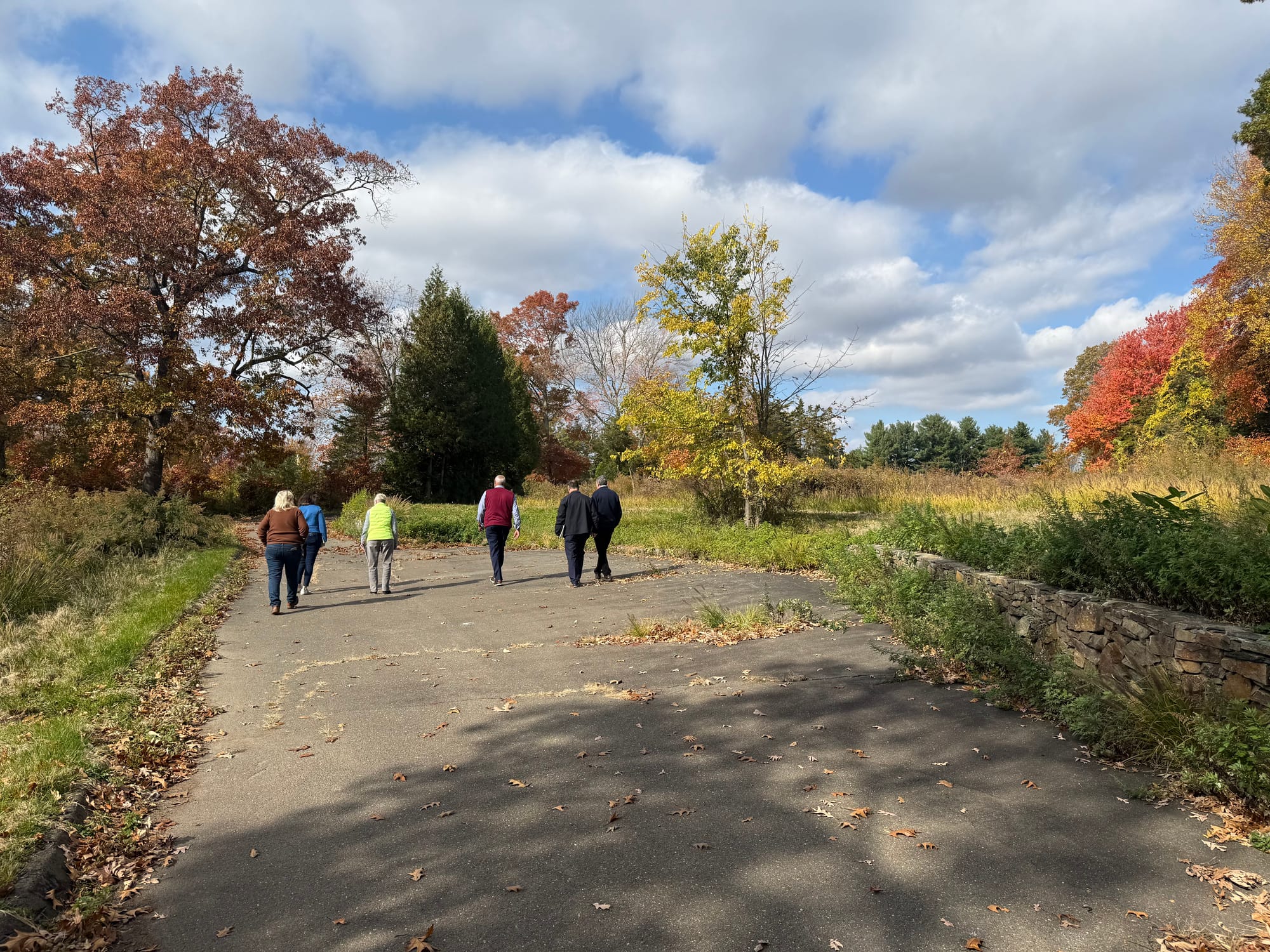
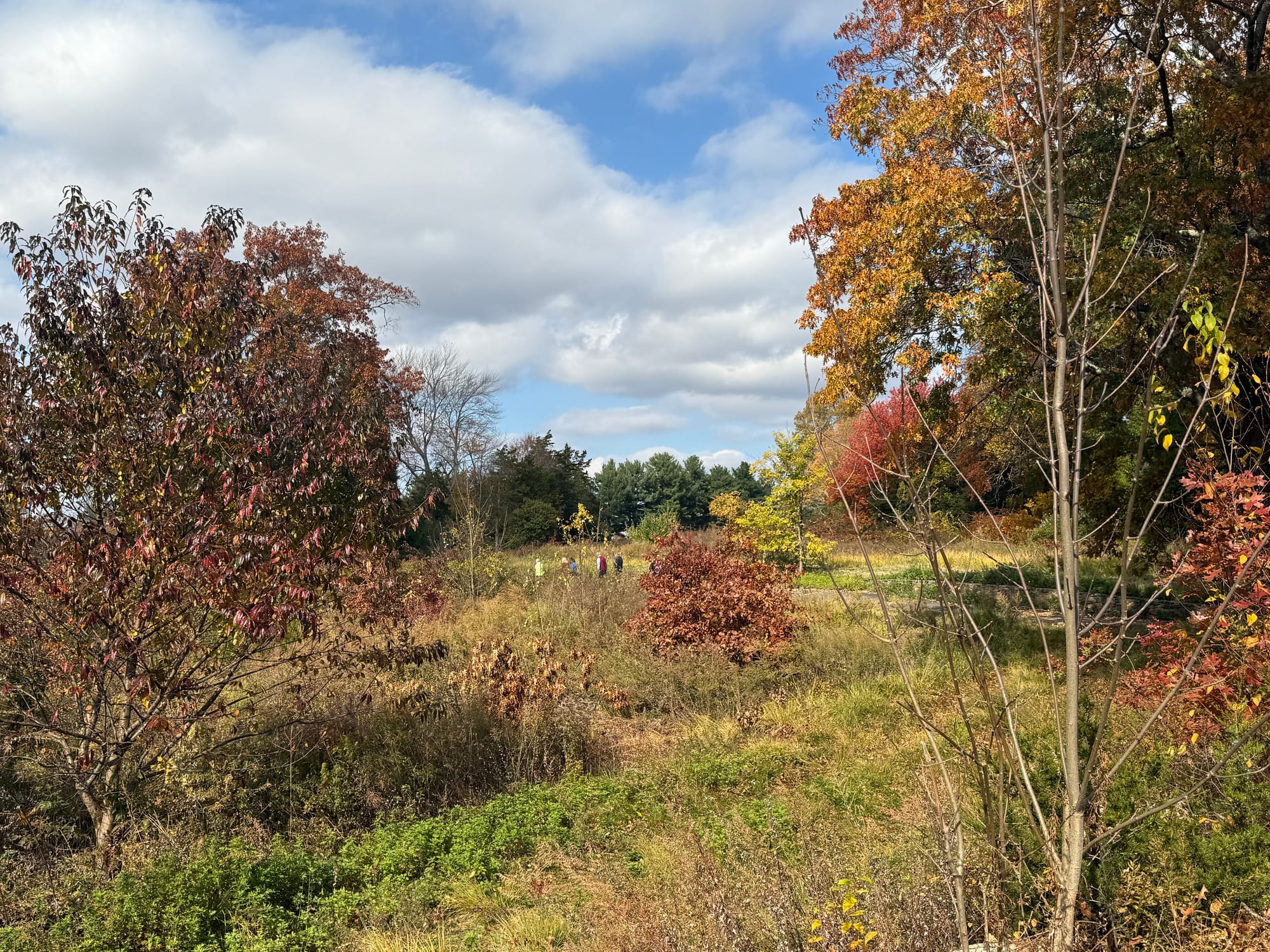
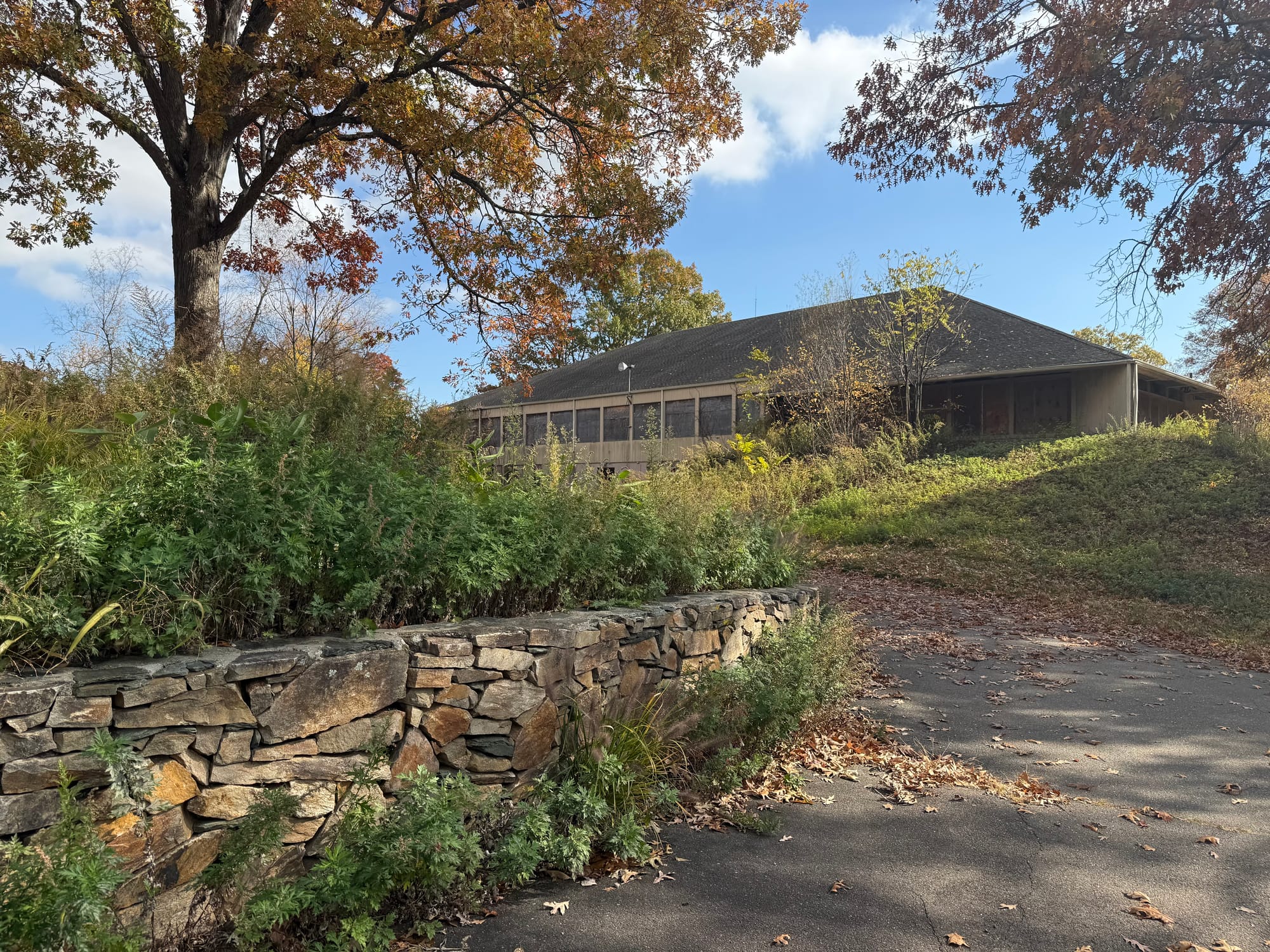
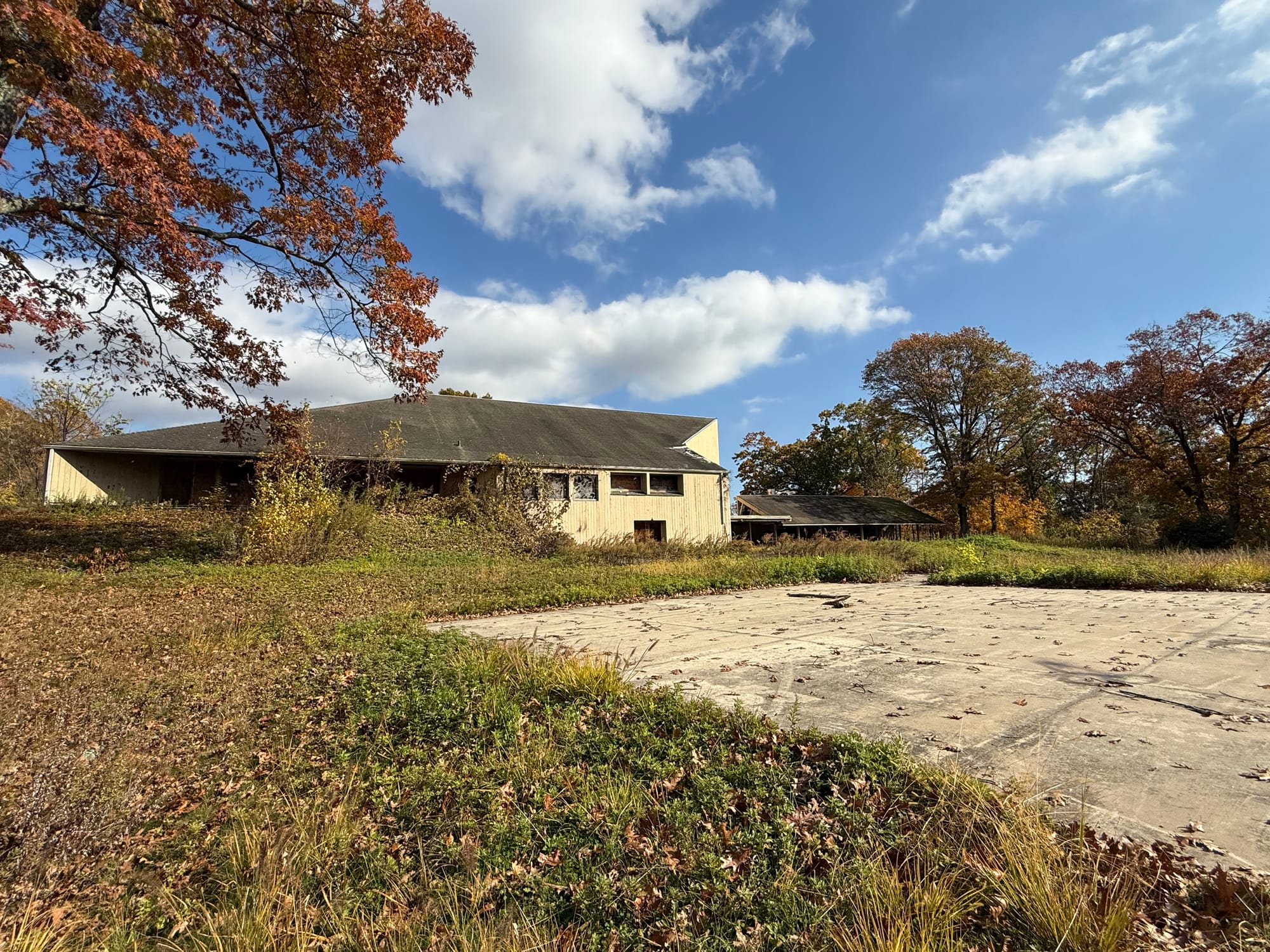
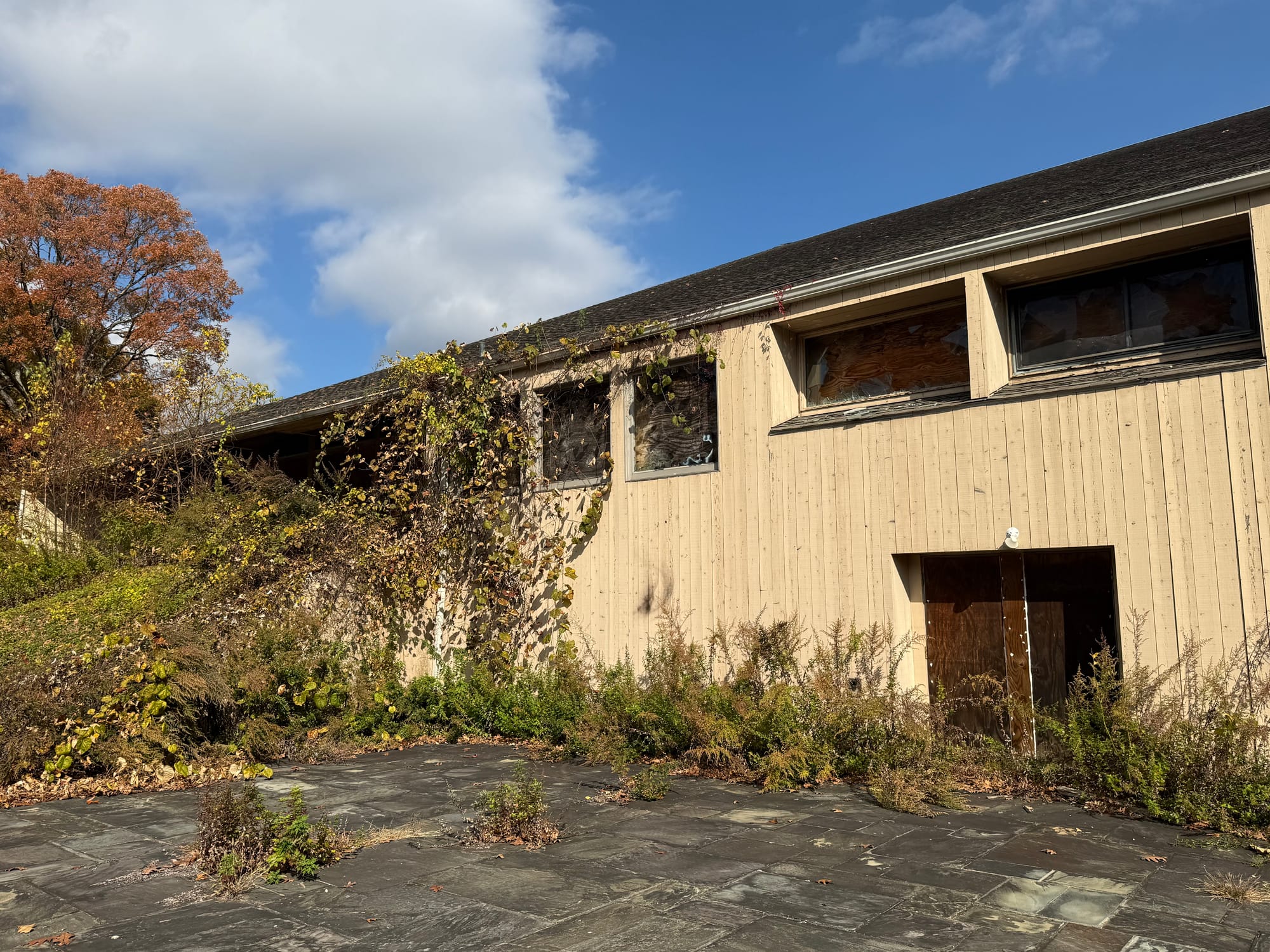
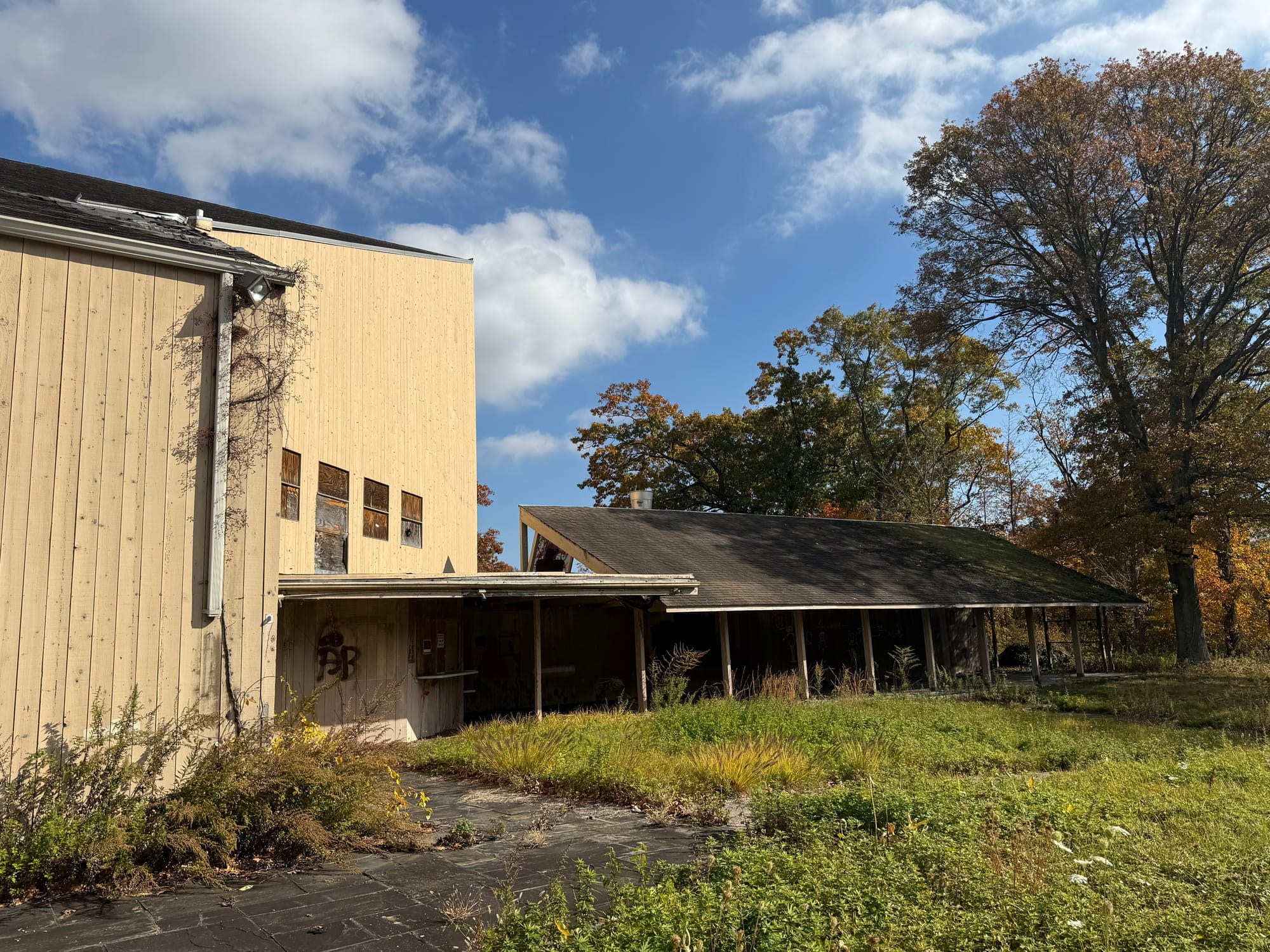
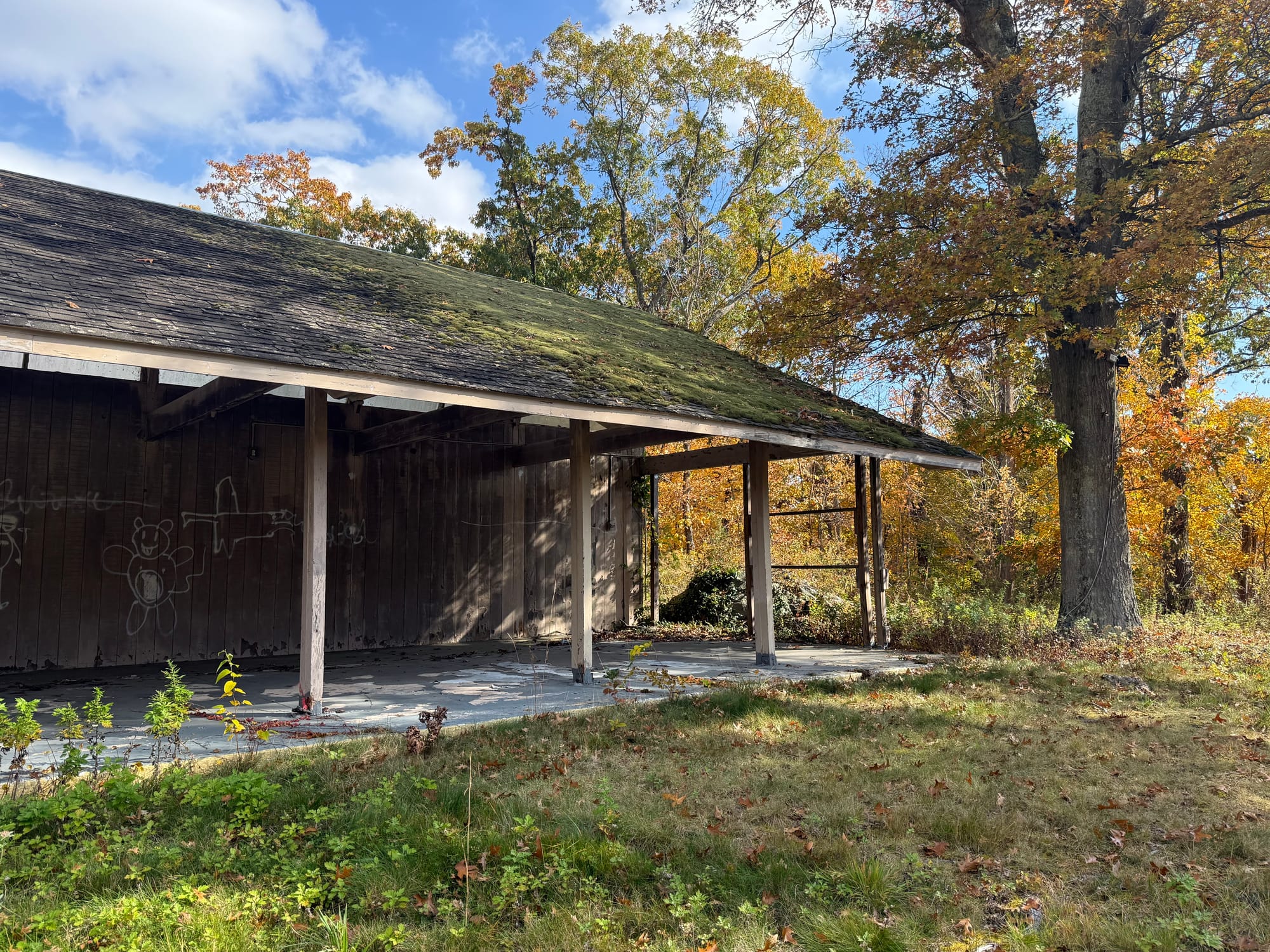
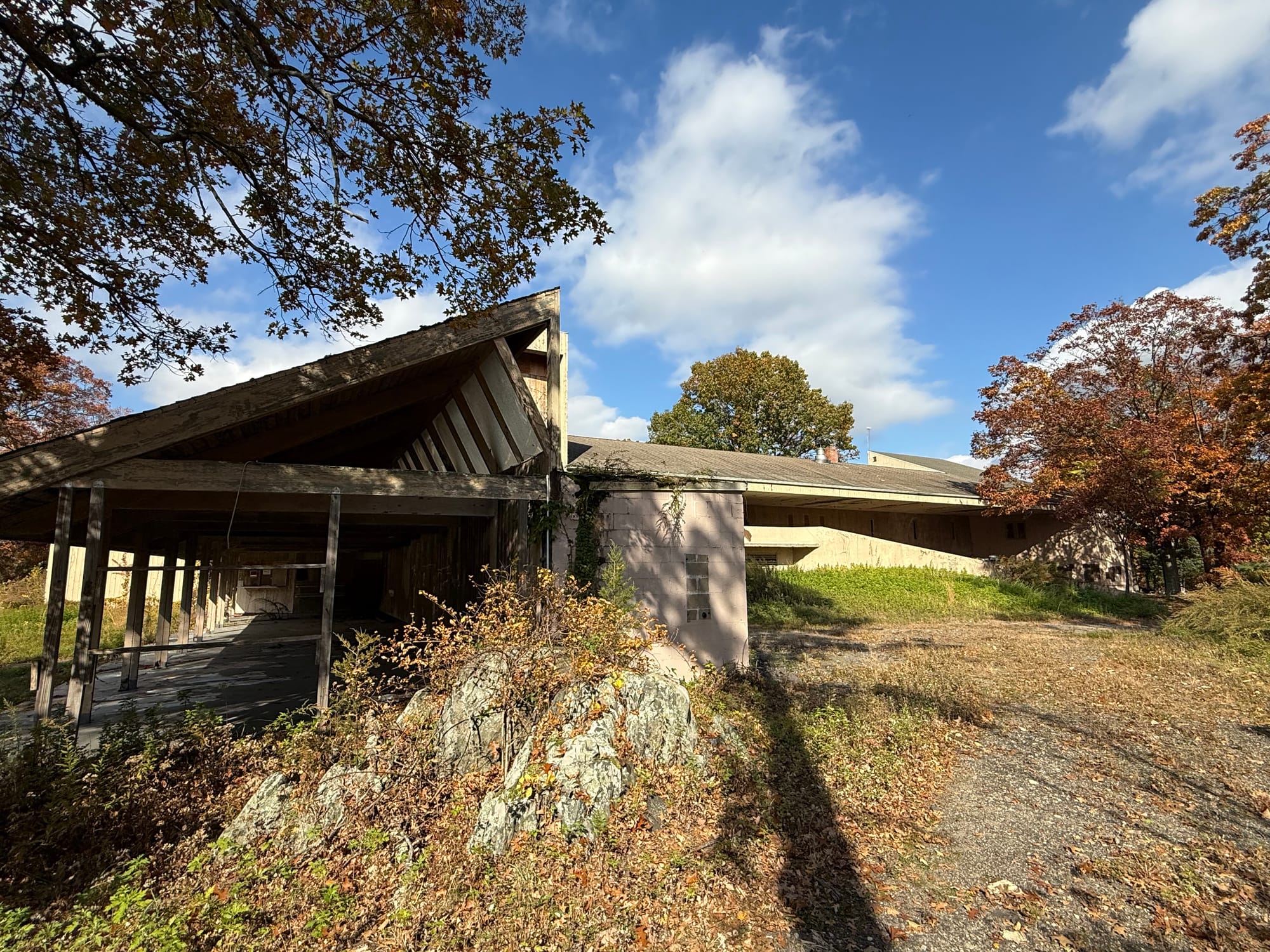
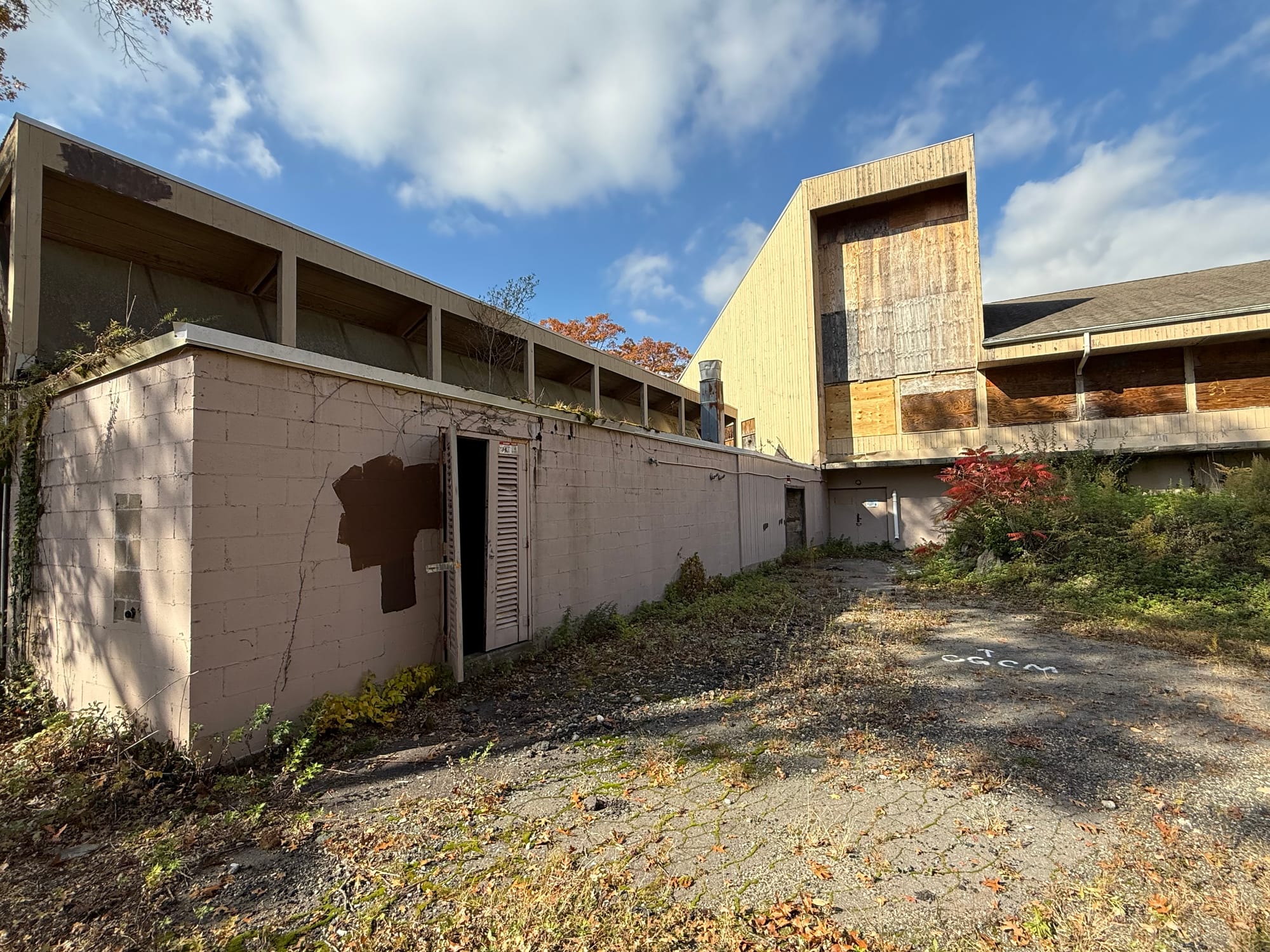
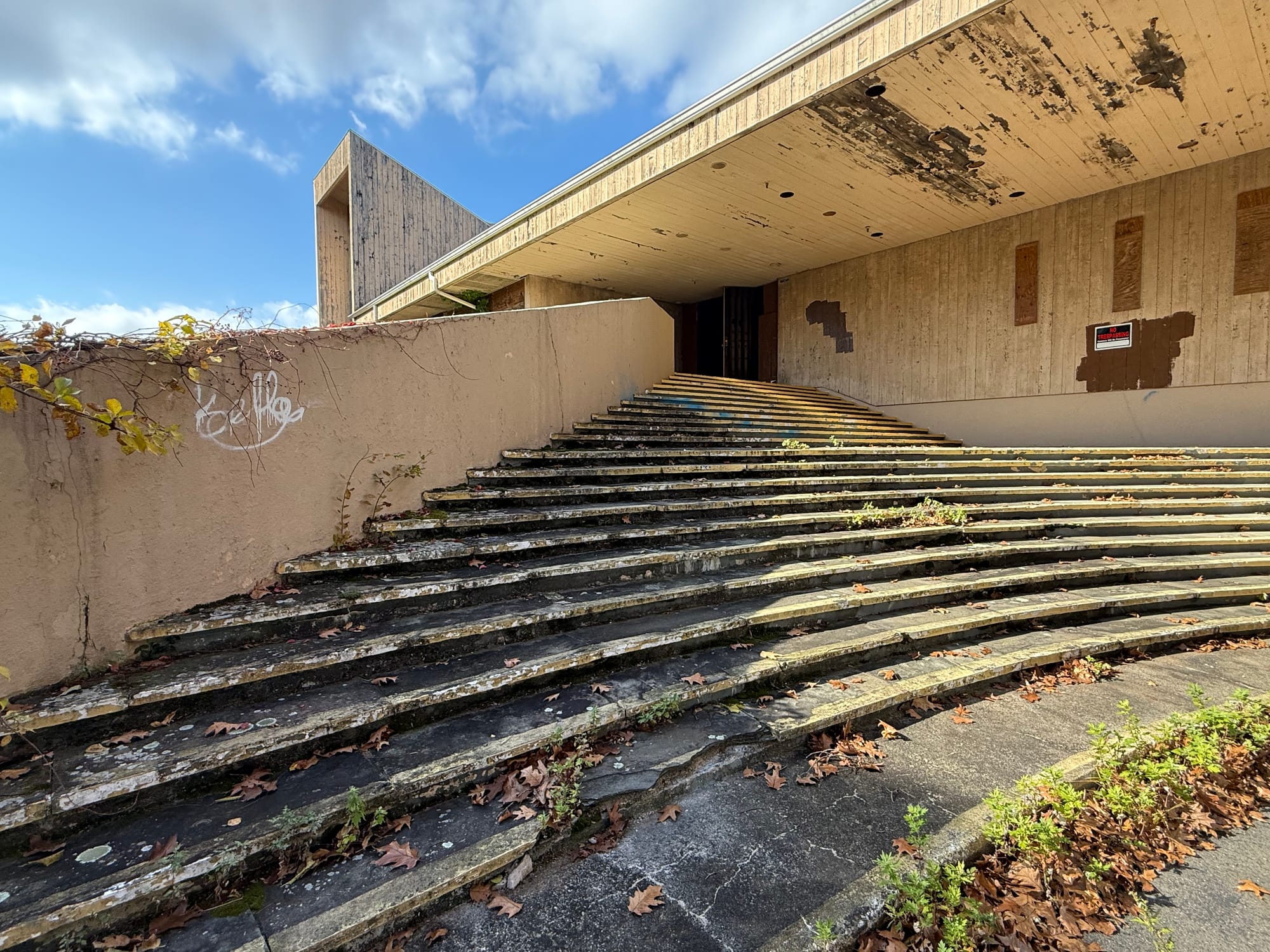
The Town issued a Request for Expressions of Interest (RFEOI) in October, inviting developers to propose uses for two areas totaling approximately 25 to 30 acres. Prospective developers were offered site visits (see photo galleries) on October 29 and 30, with submissions due December 4.
The solicitation follows a planning effort led by Cooper Robertson, whose 2025 master plan envisions retaining most of the property for open space, recreation and agriculture while allowing residential and potentially hospitality development on designated parcels.
The plan also establishes a multiyear Implementation Roadmap that calls for environmental assessments, demolition, public programming, conservation planning and new zoning regulations alongside the process of attracting developers. The implementation steps matter because the plan’s projected financial benefits depend on development occurring as envisioned — and on public and private investments that have not yet been secured.
Development as a source of tax revenue
First Selectman Mica Cardozo has emphasized the property’s revenue potential as Woodbridge confronts substantial capital expenses and pressure on residential property taxes. In his October 29 column in the Milford-Orange Times, Cardozo described the former country club as a promising opportunity to broaden the tax base. He cited an independent fiscal analysis projecting between $1.5 million and $1.9 million in annual net tax revenue and suggested that the proceeds could help offset infrastructure costs.
The figures come from Cooper Robertson’s hypothetical development scenarios, however, rather than proposals from actual developers. Under the preferred scenario, the consultant projected approximately $1.9 million in annual net fiscal benefits from senior cottages, townhomes, assisted living and hospitality development. The same analysis estimated nearly $4.5 million in upfront capital improvements, including environmental remediation, demolition, utility upgrades and recreational facilities.
After projected land-sale proceeds of approximately $855,000, the plan estimated a net one-time cost to the Town of about $3.6 million. The consultant assumed the Town would bear most of those upfront costs, although grants, developer contributions or public-private partnerships could reduce that burden.
Housing choices also affect the projected financial return. The preferred plan’s financial model assumes all housing is age-restricted and assigns no additional education costs. An alternate scenario incorporating 60 workforce rental units estimates 30 additional school-age children and approximately $611,000 in annual education expenses, reducing the projected fiscal benefit. Those assumptions, detailed in the master plan’s financial appendix, mean that a development proposal with a different housing mix, commercial uses or public infrastructure requirements would need its own fiscal analysis.
One year into the implementation roadmap
The master plan includes a six-year implementation roadmap on pages 48–49, organized into four parallel areas: community access and programming, land stewardship, policy and planning, and private development.
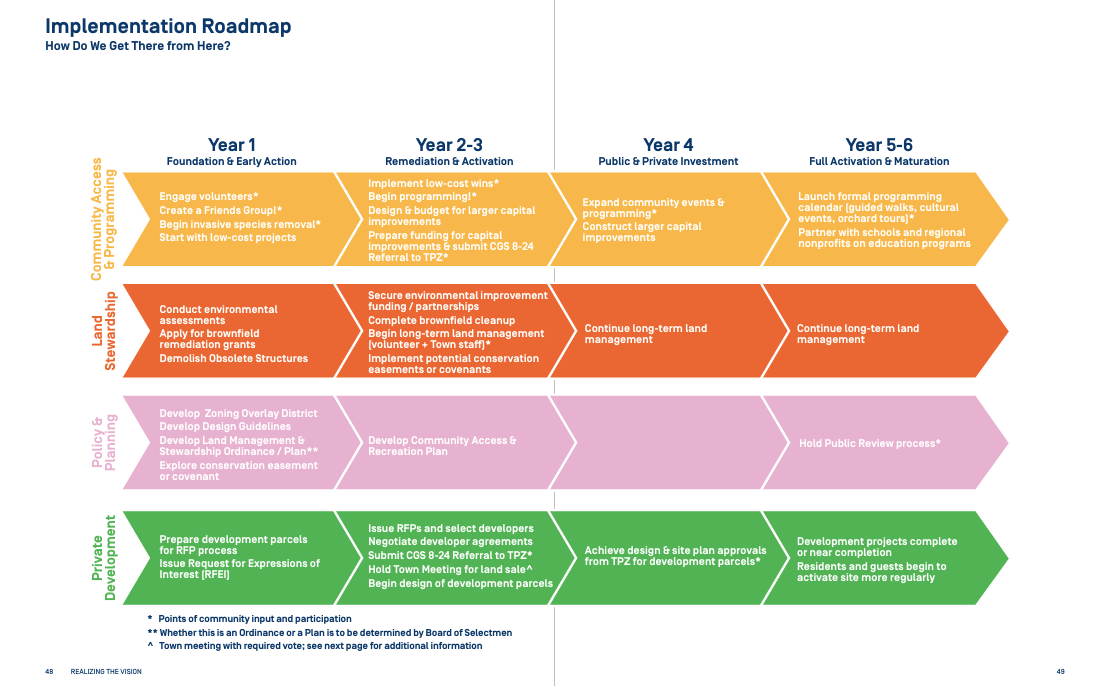
During an October 29, 2025 Board of Selectmen meeting, Cardozo was asked when the roadmap's first year would begin.“Year one means from the time that we start to take next steps. That's now,” he said. By that measure, the first year of the implementation roadmap has now ended.
The roadmap identifies the following first-year activities:
- Community access and programming. The plan calls for recruiting volunteers, creating a Friends group, beginning invasive-species removal and undertaking low-cost improvements.
The Town has established an email subscription form on its CCW Master Plan webpage, inviting residents to receive updates about remediation, volunteering and community events. However, publicly available documentation has not established whether messages have gone out, a Friends group has been formed or whether the proposed volunteer projects and programming have begun.
- Land stewardship. First-year tasks include environmental assessments, applications for brownfield remediation grants and demolition of obsolete structures.
The former clubhouse and some smaller outbuildings remain standing. A separate structure near Johnson and Ansonia roads, known as the Halfway House (because of its location near the former 9th hole of the golf course), was removed during the early master-planning process.
The Town’s August 2026 debt presentation identified plans to seek brownfield grant funding and listed $1.5 million for the former clubhouse demolition among projects under consideration for borrowing. The presentation did not establish when that borrowing would be authorized or if additional grant funding had been awarded. The roadmap anticipates securing environmental funding and completing brownfield cleanup during Years 2–3.
- Policy and planning. The first-year roadmap calls for developing a zoning overlay district, design guidelines and a land-management framework, while exploring conservation easements or covenants.
The plan’s frequently asked questions section identifies a zoning overlay and design guidelines as the next steps, to be developed through a public process involving the Town Plan and Zoning Commission and Board of Selectmen. No formal action adopting those measures has been identified.
The Town Plan and Zoning Commission’s November 2 agenda includes an informational discussion of the RFEOI. It does not include proposed zoning regulations or design guidelines associated with the CCW parcel.
Although the master plan envisions retaining most of the property as open space, that designation does not itself establish permanent conservation protections. Exploring easements or covenants is a separate step in the roadmap.
- Private development. The roadmap calls for preparing development parcels for an RFP process and issuing a Request for Expressions of Interest.
Cooper Robertson identified the potential development areas during the planning process. The Town has now issued the RFEOI, but no subsequent physical preparation of those parcels has been identified.
The plan anticipates substantial site work, including demolition, environmental remediation and water and sewer improvements. While its financial analysis assigns costs to those improvements, the implementation roadmap does not specify when the utility work would be constructed or how it would be financed. During the October 2025 Board discussion, selectmen raised questions about the costs of demolition, remediation and utility work, including potential borrowing and its effect on the Town’s budget.
The roadmap schedules selection of developers, negotiations, required land-disposition approvals and the beginning of parcel design for Years 2–3. Later phases anticipate zoning and site-plan approvals, followed by completion of development projects in Years 5–6.
The release of the RFEOI therefore advances one part of the first-year roadmap, while substantial public planning, environmental and infrastructure work remains ahead.
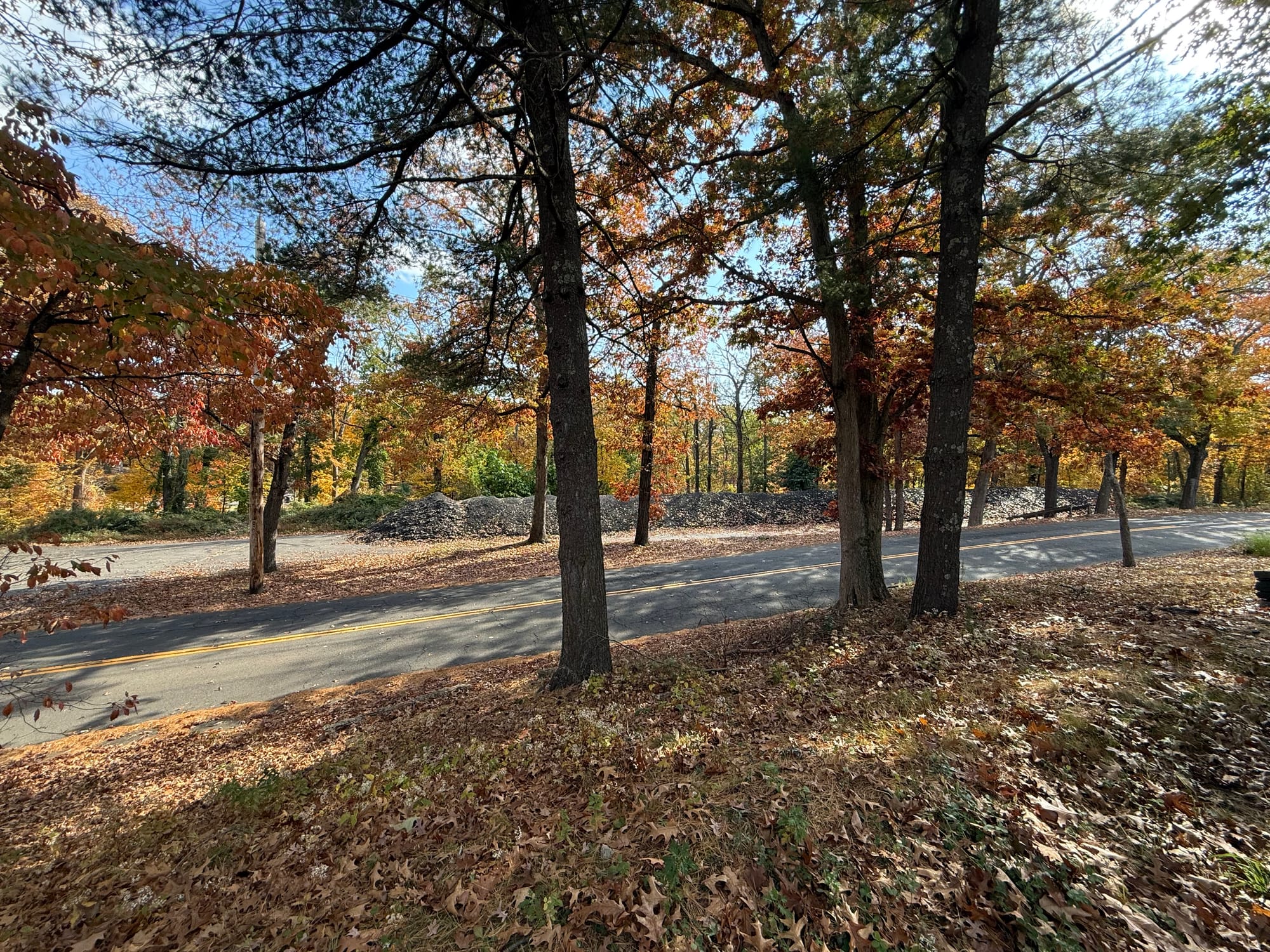
A long history of competing proposals
Woodbridge purchased the former country club following approval at the May 18, 2009 Annual Town Meeting by a vote of 435 to 34. Since then, residents and officials have debated whether portions should be developed, preserved or used for public recreation. In a December 13, 2011 referendum, voters rejected a proposal to sell approximately 17 acres to Toll Brothers for 54 age-restricted townhouses, with 1,190 voting against the sale and 588 in favor.
The history of those decisions, including the public meetings, original documents and referendum campaign, is detailed in “Woodbridge at a turning point (2009–2011),” a 2024 retrospective published by the Chronicle’s sister publication at TownHistory.org.
Additional proposals followed during First Selectman Ellen Scalettar's administration (July 2013–June 2017). These included competing housing proposals in 2014–15, reported by the New Haven Register, and, in 2016, proposals involving age-restricted housing, a championship golf course and continued recreational use. The Board of Selectmen ultimately declined to pursue the Toll Brothers housing proposal and ended the Town's golf course operation after 2016. None of the proposals resulted in a new development project going to referendum.
During First Selectman Beth Heller’s administration (July 2017–December 2023), the Town conducted a household survey in 2018 that revealed continuing divisions over the property's future. Later that year, two developers presented proposals for age-restricted housing. In June 2019, the Board of Selectmen chose to pursue negotiations with Woodbridge resident Brian St. Pierre, as reported by the Woodbridge Town News, whose proposal contemplated approximately 120 homes on part of the property, with the remainder retained for public use. That proposal was subsequently withdrawn without going to referendum.
In 2021, the Town considered another major development proposal, this time from Arbor Haven, offering $9 million for a project involving approximately 145 homes, including age-restricted and income-restricted housing, with about 50 acres returned to the Town. The Board of Selectmen arranged public presentations and commission reviews, but the developer ultimately withdrew its proposal, as reported at the Board's April 13, 2022 meeting, without the matter being brought to voters in a referendum.
Meanwhile, more than 300 residents signed a petition calling for a public vote on an alternative approach to the former country club property that would preserve most of the land as open space while allowing potential commercial development around the former clubhouse. The petition was described in a mailer to the community.
In November 2021, the Woodbridge Land Trust and Woodbridge Park Association submitted a separate offer to pay $250,000 for a conservation restriction covering most of the property, excluding approximately 10 acres around the clubhouse for potential development. The organizations presented their proposal at the December 8, 2021 Board of Selectmen meeting and requested that it be submitted to voters. The Board subsequently voted to reject the offer.
Following the withdrawal of the Arbor Haven proposal in 2022, the Board turned toward a comprehensive planning approach. On July 13, 2022, acting on recommendations from its strategic planning subcommittee, the Board voted unanimously to begin seeking a consultant experienced in repurposing former golf courses and helping communities build consensus over contentious land-use decisions. The Board also approved $20,000 in funding for the effort.
The initiative led to a formal request for proposals for a land-use consultant in June 2023. After several responses were received, First Selectman Beth Heller announced at the September 13, 2023 Board of Selectmen meeting that she did not believe the outgoing Board should review or select among them. With four of the six members leaving office, Heller said the decision about which consultant to hire should be left to the newly elected Board of Selectmen following the November election.
After Mica Cardozo took office as First Selectman in January 2024, the Selectmen awarded a contract to Cooper Robertson to lead the master planning process, which included public meetings, surveys, technical review and presentations to the Board of Selectmen throughout 2024 and 2025.
The planning process concluded in mid-2025 with the delivery of Cooper Robertson's final documents and completion of the Town's consulting contract. The resulting CCW Master Plan and accompanying appendix offer a framework for combining public open space with limited development, but the plan does not itself change the property's zoning, authorize a land sale or commit funding for the improvements it describes.
October 2025 discussion: Who decides what comes next?
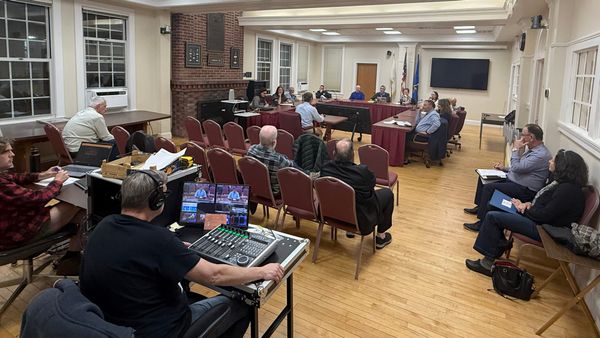
When the Board of Selectmen discussed the completed master plan at an October 29, 2025 special meeting, members questioned how the Town would proceed with implementation, who would make decisions about specific development proposals and what opportunities residents would have to approve future actions.
Some selectmen challenged the characterization of the consultant's preferred development scenario as a plan the Board had unanimously endorsed. They distinguished the Board's approval of a planning approach from a decision to pursue every residential, commercial or recreational component identified by the consultant.
Cardozo said the subsequent solicitation process would provide opportunities for the Board to make those choices. “We will craft that together, too,” he said of the future requests for information and proposals.
Members also discussed whether the Town could pursue development on one portion of the property without committing to other elements of the preferred scenario. Cooper Robertson had described this flexibility as a “bento box” approach, allowing the Town to add or remove individual components rather than adopt the entire development scenario. That distinction remains relevant to the current RFEOI, which identifies two separate development areas and invites respondents to explain proposed departures from the master plan.
The Board questioned how changes to the preferred development scenario might affect the consultant's projected tax revenue. Those projections depended on a particular combination of uses, and removing or changing individual components could alter the expected financial return.
The financial discussion also addressed potential public expenditures for demolition, environmental remediation and infrastructure. Selectmen raised questions about whether the Board of Finance had reviewed the financial analysis and how borrowing or other municipal costs would be incorporated into future budgets. Cardozo agreed that the Board of Finance should be included in a discussion of the financial materials.
Conservation protections were another concern. Although the master plan envisioned retaining most of the property as public open space, members discussed whether easements or other permanent restrictions should be established as development proposals advanced, rather than leaving the boundaries and protections to subsequent negotiations.
The meeting also addressed the legal requirements for public approval of any eventual sale or lease of Town property. Town Counsel explained that a qualifying property transaction would require a Town Meeting. He also discussed the possibility of referring such a question to a townwide machine vote, citing the December 2011 referendum on the proposed sale of country club land to Toll Brothers, but said he was continuing to research the Town Charter, relevant state law and previous referendums to clarify the Board's authority and the circumstances under which residents could seek a vote through a petition.
The current RFEOI does not resolve those questions. It states that developer submissions will be made public before the Town advances to a formal RFP or developer agreements, but does not establish the complete sequence of municipal and voter approvals that an eventual project would require. Public review of development concepts, zoning hearings, Town Meeting approval and a possible referendum are separate steps, each with a different purpose.
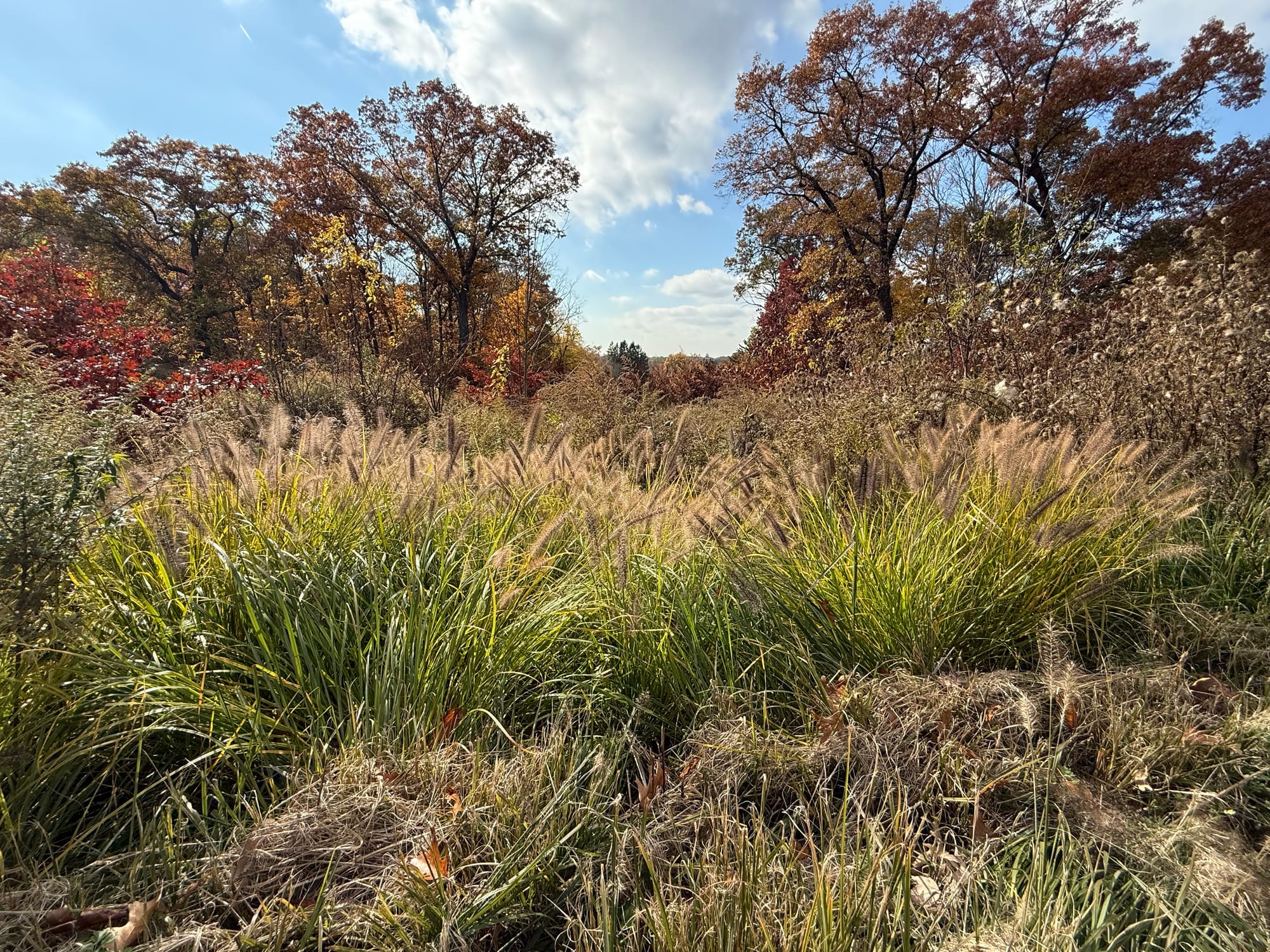
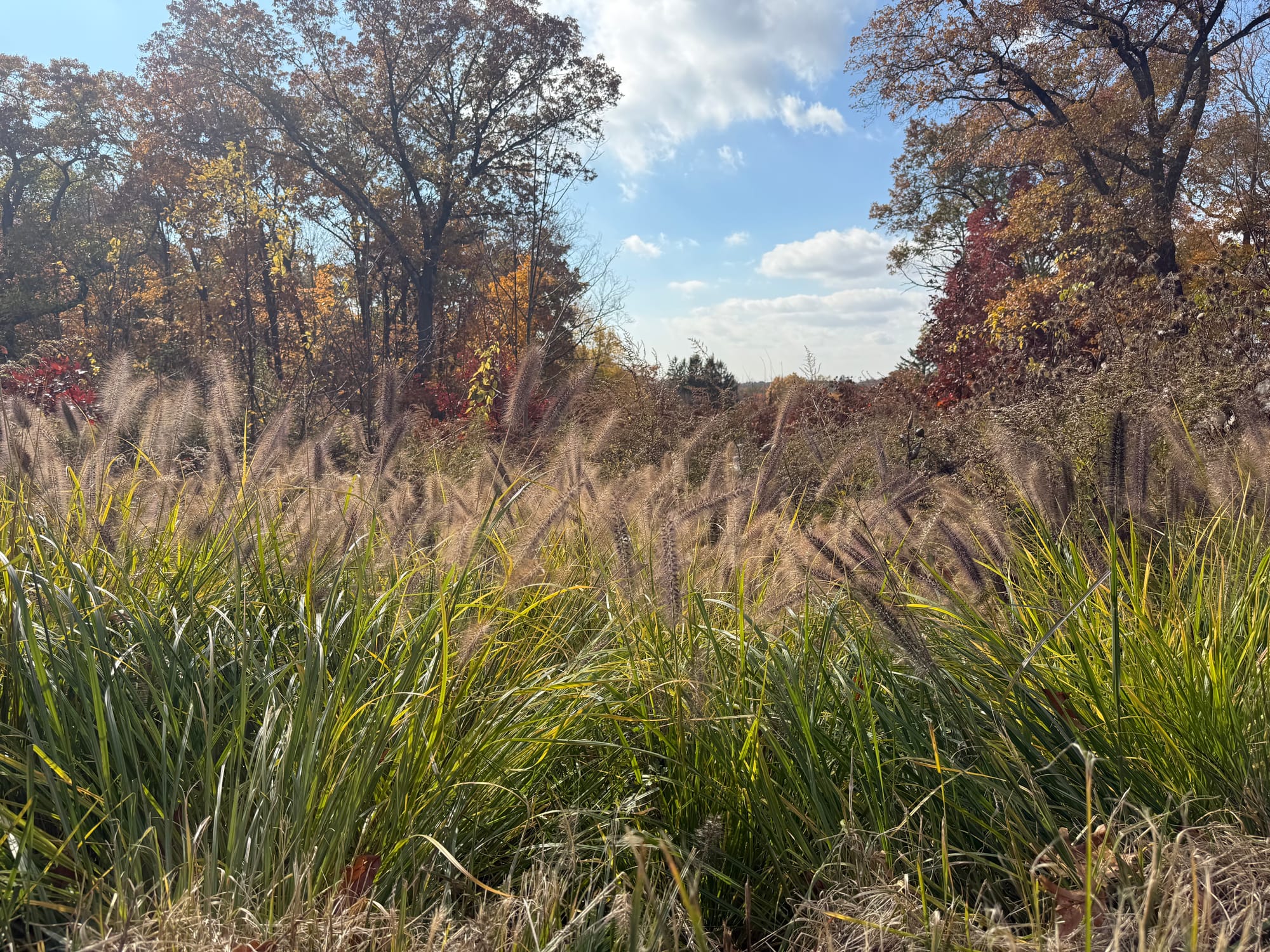
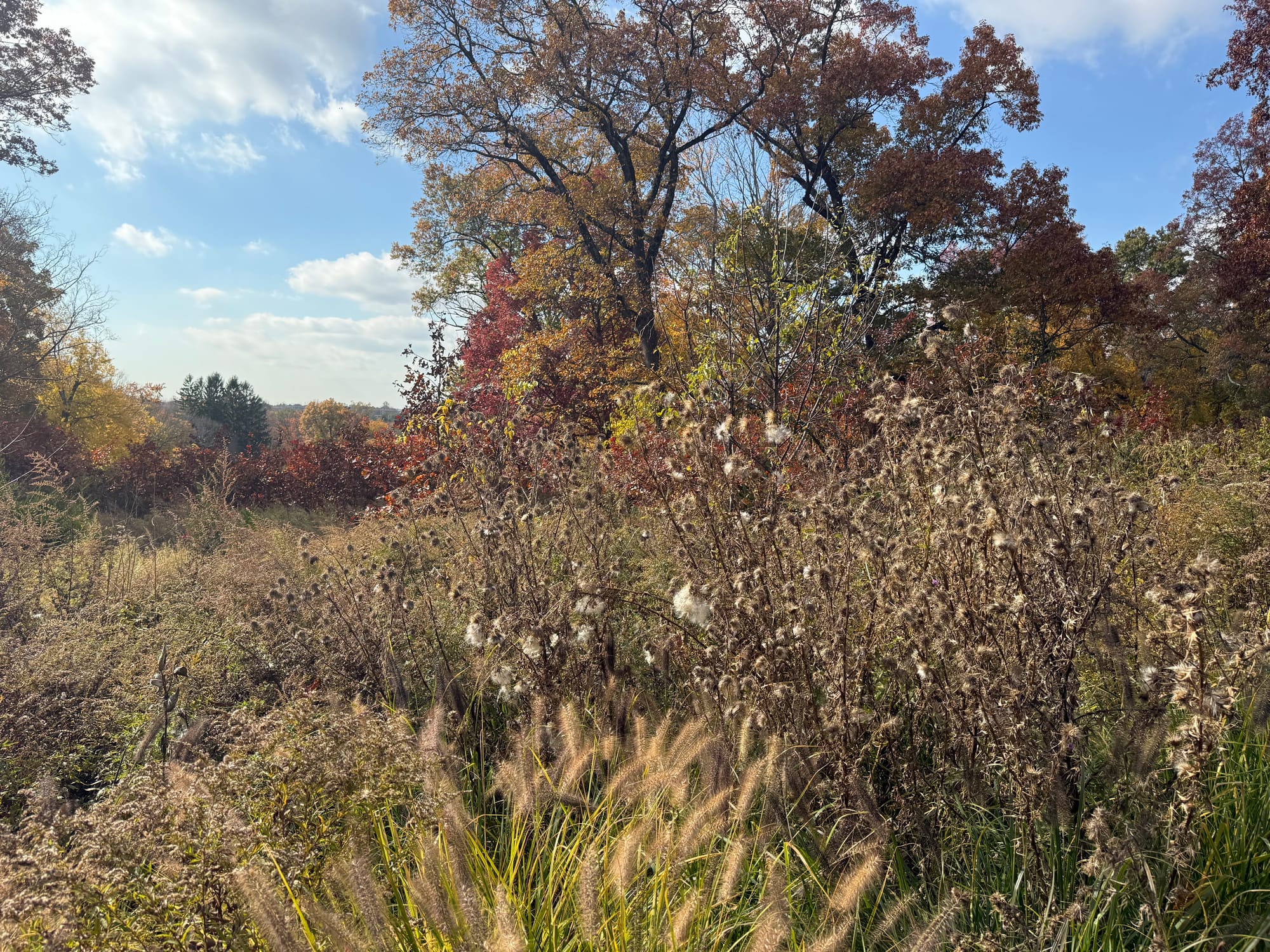
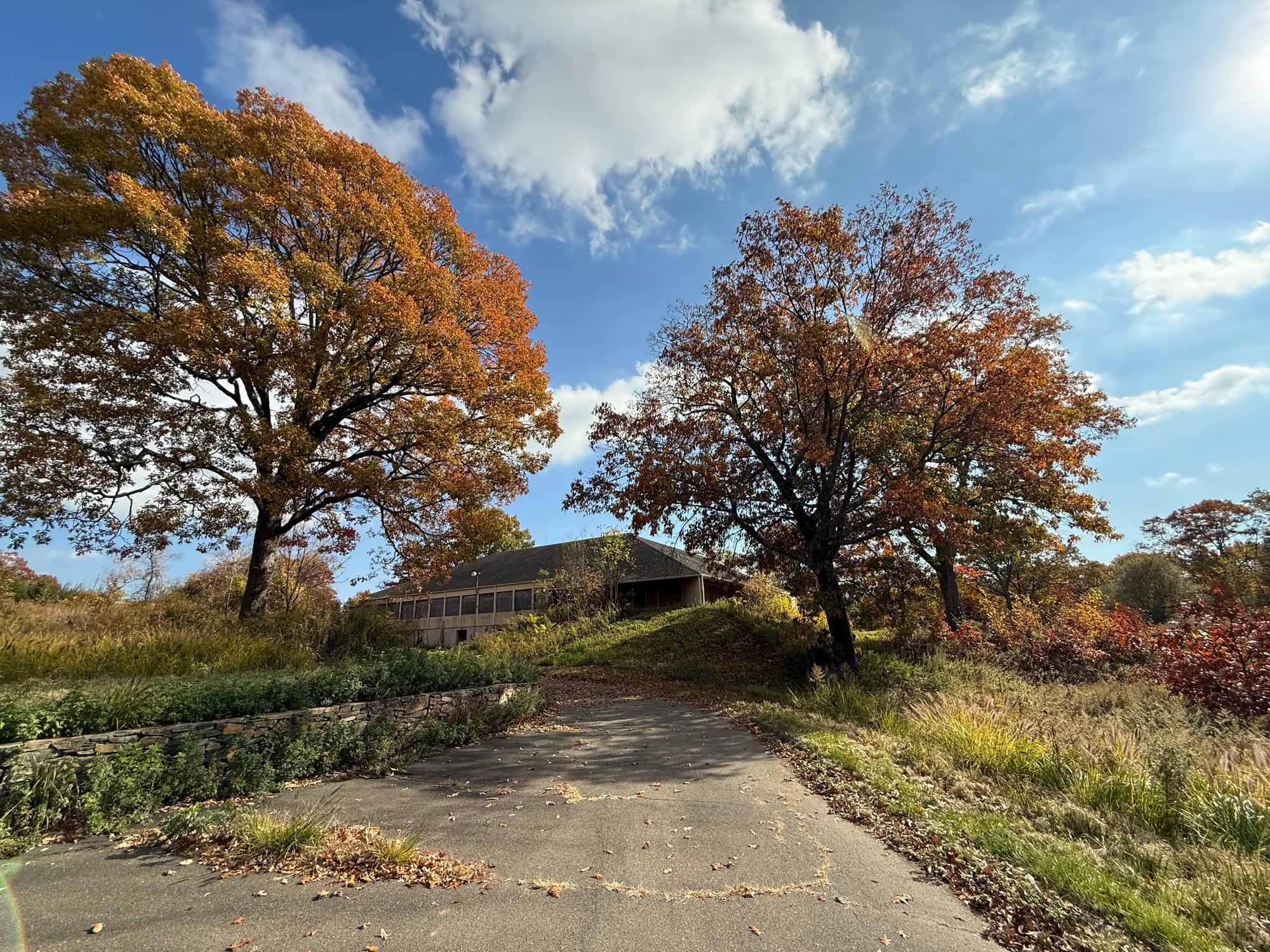
Meanwhile, the former Country Club of Woodbridge property continues its gradual return to a natural landscape.
What happens next
The immediate question is what developers propose in response to the December 4 solicitation and how the Town will evaluate those submissions. The RFEOI calls for proposals to be made public before the Town advances to a formal RFP or developer agreements, but it does not establish when or how the Board of Selectmen will review the proposals, determine which concepts to pursue, or describe a mechanism to involve residents in those decisions.
Any development would also require decisions about consistency with the master plan, zoning, infrastructure financing and conservation protections. Additional public approvals would be necessary, including zoning proceedings and at least a Town Meeting vote for a qualifying land sale. Whether a townwide referendum would also be held remains unresolved.
An important financial question also remains: whether the development ultimately proposed will produce the tax revenue projected in the original study after accounting for public investment, municipal services and any additional school enrollment.
The RFEOI begins to test developer interest. It does not yet establish what will be built, what it will cost taxpayers or how much revenue Woodbridge will receive.
Editor's note: This article is written by Sheila McCreven in her role as editor of the Chronicle. She is a former member of the Woodbridge Board of Selectmen, having served from July 2021 through December 2025, and participated in the CCW master-planning process while in office.