Survey says: Newly released records provide fuller picture of public feedback on Beecher Road School project
Freedom of Information request yields complete survey comments, supporting records and new insight into the Building Committee's work

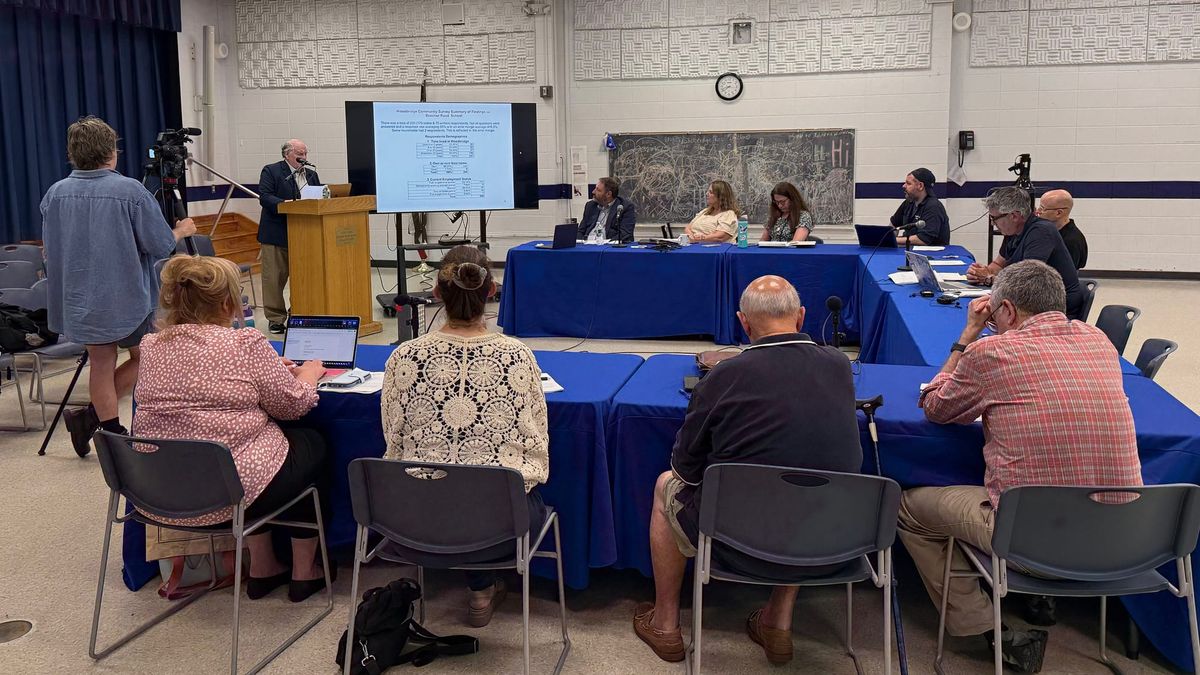
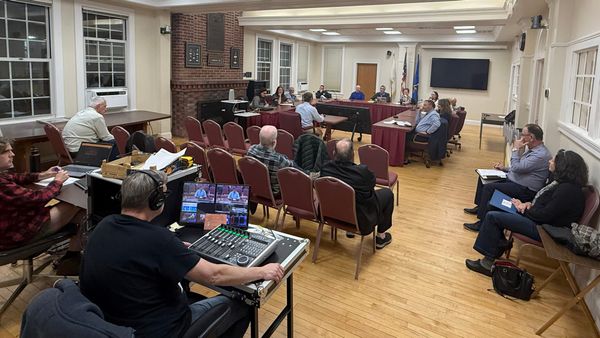
When the Beecher Road School Building Committee (BRSBC) received a presentation of the results of its community survey at its June 16 meeting, residents saw summary slides highlighting demographics, survey statistics and selected findings. The Woodbridge Town Chronicle previously reported on that meeting, which also included the consultants' presentation on project costs and state reimbursement scenarios (see WTC article June 22, 2026). Since that meeting, the survey presentation slide deck has also been posted on the Beecher Road School project website.
Now, following a series of Freedom of Information requests by the Chronicle, residents can review the underlying survey records for themselves. They include the complete survey responses, every written comment submitted by respondents, the survey instrument, and records describing how the survey fit into the Building Committee's broader public outreach effort. Together, the documents provide substantially more context than was available during the committee's June 16 presentation.
Document links
- July 23–24 Email Chain Regarding FOI Request (PDF)
- Combined Online and Written Response (PDF)
- All Online Survey Data (PDF)
- Community Survey Instrument (XLSX file)
- May 11–12 Email Chain Regarding Communications Planning and Legal Guidance (PDF)
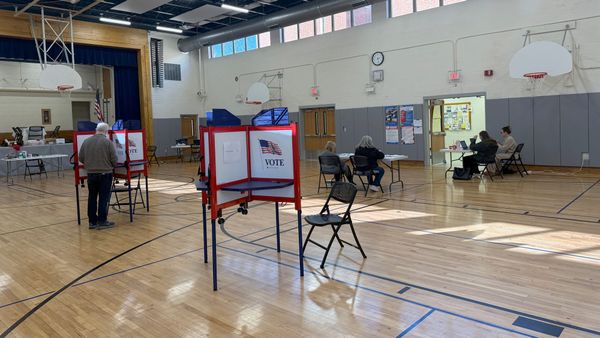
The released records make clear that the community survey is only one component of a broader public engagement strategy related to the proposed project to demolish and rebuild Beecher Road School, responsibility for which is spread over multiple agencies. A referendum is expected to be scheduled this fall, although a date has not yet been announced.
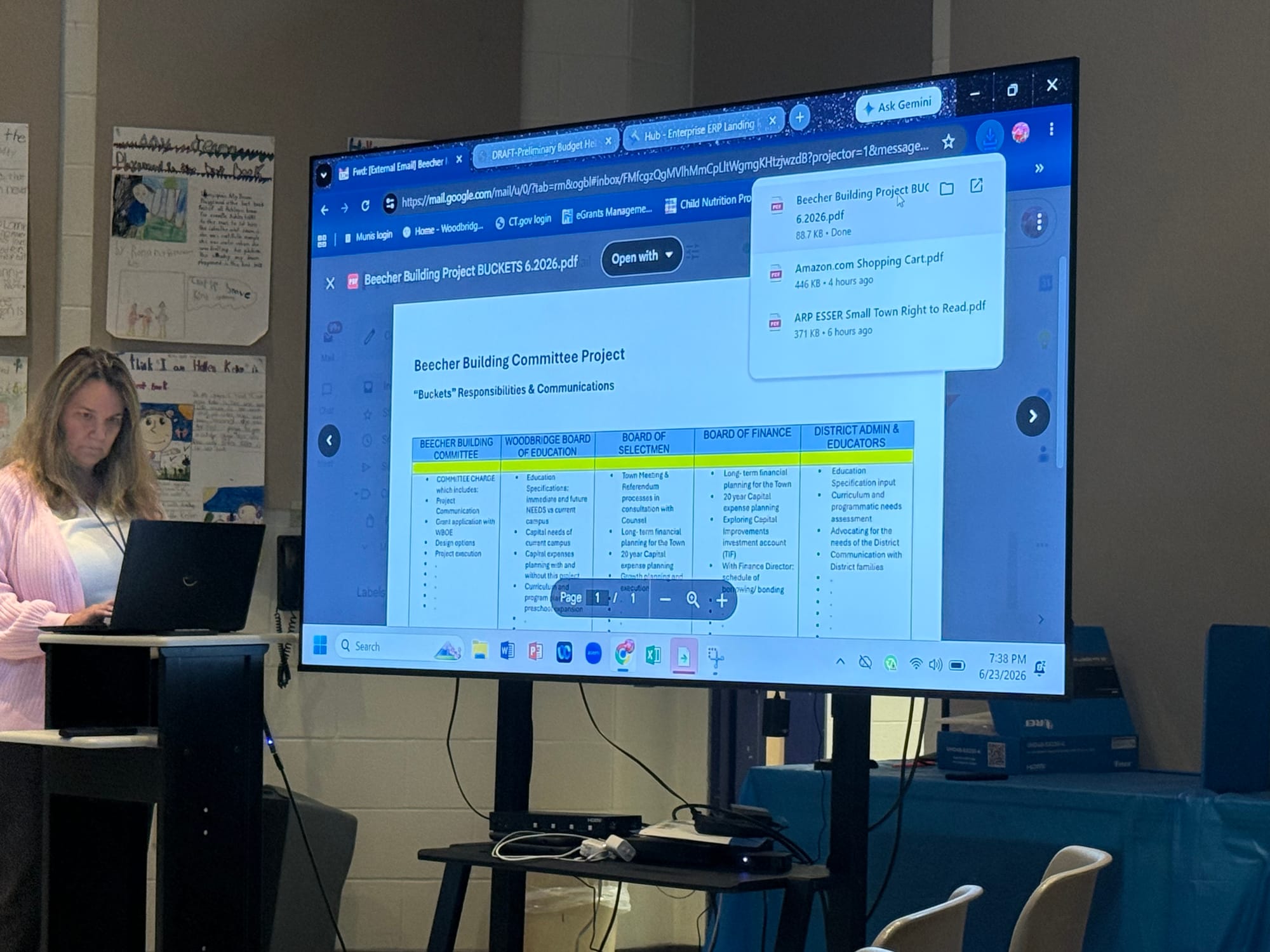
A planning document prepared for the project divided responsibilities among multiple Town boards and officials. First discussed at the June 16 BRSBC meeting and reviewed at its June 23 meeting, the ‘Buckets’ of responsibility document is also now available on the project website. It assigns responsibility for project communications, grant applications with WBOE, design options and project execution to the BRSBC; referendum processes and consultation with counsel to the Board of Selectmen; long-range financial planning and capital financing to the Board of Finance; and educational planning and “advocating for the needs of the District” to the district administration and educators, alongside other responsibilities for planning assigned to the Board of Education.
That framework helps explain why different aspects of the project have been discussed by different public bodies over the past several months.
Education versus advocacy
The records also show that, as the committee prepared to launch its first town-wide newsletter, community survey and project website in May, Selectman Maria Madonick, who is a liaison to the BRSBC, requested legal guidance regarding how those communications should proceed in anticipation of a future referendum.
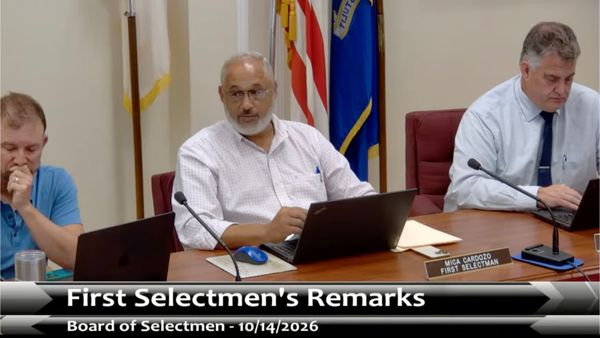
In a May 11 email to First Selectman Mica Cardozo and Anthony Genovese, who was at the time the Town's Administrative Officer and Finance Director, and copied to Building Committee Chairman Marty Halprin and other BRSBC members, Madonick wrote that the committee needed to understand “when the legal 'quiet period' for the referendum begins” in order “to strategically and effectively plan a timeline of communication action items.”
In response to Madonick's email, Town Attorney Nicholas Bamonte advised that Connecticut law distinguishes between advocacy and public education. His email reply on May 12 explains that municipal funds may not be used to advocate for or against a referendum once the legal restrictions apply, but that municipalities may continue to provide factual explanatory materials and public education, provided those communications do not encourage approval or defeat of the referendum. He further advised in his May 12 email, “However, given the present likelihood and understanding that a referendum will occur on this question, the safest course of action is not expending municipal funds for advocacy purposes at any time.”
That legal distinction provides important context for understanding the committee's communications strategy and the role the survey played in the overall public engagement process.
What the survey was — and what it was not
The survey was distributed to every Woodbridge household and could be completed online, returned by mail or dropped off at Town Hall. The instructions stated that each household could respond either collectively or that individual adult members of the household could each complete separate surveys, meaning multiple responses from the same household were expressly contemplated.
Rather than asking residents whether they supported or opposed the proposed school project, the survey focused primarily on identifying community concerns, information needs and topics the committee should address during future public outreach. Questions asked respondents what information they wanted, what concerns they had about the project and which issues were most important to them.
The records released in response to the Chronicle's FOI request regarding the survey do not describe what procedures, if any, were used to verify unique respondents, prevent multiple submissions by the same individual, or otherwise validate the survey as a scientific opinion poll. Likewise, the records do not explain the methodology underlying the reported 6.3 percent margin of error beyond referring readers to the consultant's presentation. The Chronicle has submitted follow-up requests seeking additional clarification regarding those issues.
Based on the records released to date, the survey is best understood as a community engagement tool designed to identify residents' questions and concerns rather than as a scientific poll measuring likely referendum support.
What residents said
The complete written comments reveal a community grappling with competing priorities rather than a simple divide between supporters and opponents.
The dominant theme running throughout the responses is affordability. Many residents expressed support for maintaining Beecher's reputation for educational excellence while questioning whether the Town can undertake a project of this scale after recent property tax increases.
One resident wrote:
"We have lived in Woodbridge for 50 years. Now elderly and on a fixed income we would like to remain in our home... our children and education are important but try to think of us as well when making decisions that will have a profound effect on our taxes and the ability for people like us to remain in Woodbridge."
Another respondent commented:
"Biggest concern is how town plans to pay for the Beecher project. While I grew up in Woodbridge and returned in 2018, taxes have more than doubled since moving back, which is a major concern. I support good schools and education, but living in an affordable town is something many seniors would be worried about going forward."
Another reply said:
"We do not want to move but will be forced to because living in Woodbridge is not tenable as we look to our future as retirees."
Others questioned whether demolition and replacement had been adequately justified after the Town's previous investment in renovating the school.
One resident wrote:
"I am concerned that I haven't heard the argument as to why the existing plan to invest in and upgrade the current school seems to have been abandoned by town leadership."
Another asked:
"What happened to the 13 million dollars recently spent that was thought to last the school 20 more years?"
At the same time, a number of respondents expressed support for constructing a new school, emphasizing educational quality, accessibility and the Town's long-term future. One commenter wrote:
"The school system is the draw for Woodbridge... The reputation has always been great. But the building is old... A new school, updated, secure, eco-friendly/green, would be a big draw for our community. Accessibility matters too."
Another wrote:
"The only elementary school in town should meet all the needs of the children and it currently does not. This new build will align with Woodbridge's excellent school rating and is long overdue."
Several respondents also focused on the future of the building's former swimming pool, though several reached different conclusions. Some urged the Town to include plans for a new pool in the project, while others suggested repurposing or renovating the existing pool space rather than constructing an entirely new building.
One respondent wrote:
"Our town and the Amity district desperately need a pool for competitive and recreational use! When we lost the Beecher pool, it was a HUGE loss to the community, including the Amity High School swim team. PLEASE include a pool into the new plans!"
Another resident asked:
"How about school pool? First of all, any town should have its own pool for school and community use. But if the town decided not to have a functioning pool, should the space be reallocated to learning space? Why bother to add a new building?"
Many respondents also asked for additional information about the project before reaching a conclusion. As one resident observed:
"The biggest hurdle you will face is informing and educating people about why demolition versus renovation..."
Another wrote:
"Please complete due diligence in securing true and comparable estimates of each project and make that information public..."
The comments quoted above are intended to illustrate recurring themes rather than provide a formal statistical analysis of the responses. Because Town officials have repeatedly cited the survey during discussions of the proposed project, access to the more detailed records released in response to the Chronicle's Freedom of Information Act requests provides additional transparency as planning for a possible referendum continues. Readers are encouraged to review the full survey comments document and other material linked above, and draw their own conclusions.